Featured Newsletter

BestBlogs Issue #77: Vibe Engineering

Hey there! Welcome to BestBlogs.dev Issue #77.

This week's theme is Vibe Engineering . Simon Willison captured it perfectly with his JustHTML project: "The agent types, I think." It's not about throwing code at AI and praying the tests pass—it's about engineers taking responsibility for every line while leveraging AI agents at every step. From OpenAI's internal 92% Codex adoption rate to Every's 99% AI-written codebase, vibe engineering is evolving from buzzword to methodology.

Speaking of practice, I spent this week applying vibe engineering to a major overhaul of BestBlogs.dev's backend — module separation, distributed deployment, database clustering, upgrading from single-server to a scalable distributed architecture. The experience reinforced a key insight: AI dramatically boosts coding efficiency, but the "thinking" parts—architecture decisions, module boundaries, testing strategies—still require human judgment. Deployment coming soon.

Here are 10 highlights worth your attention this week:

🏆 Gemini 3 Flash attempts to break the Pareto frontier of AI models: Pro-level reasoning (90.4% GPQA) with Flash-level latency, hitting 218 tokens/sec throughput. Adjustable thinking levels and context caching make complex agent scenarios far more cost-effective. How will OpenAI respond?

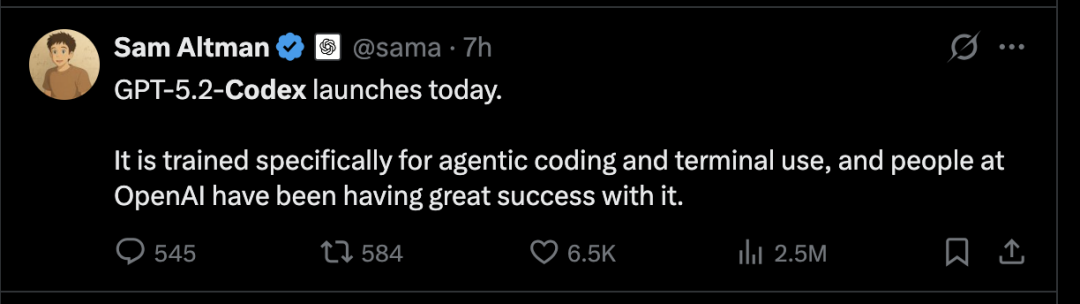
🤖 GPT-5.2 Codex is optimized specifically for agentic coding—better long-context comprehension, reliable large-scale refactoring, and enhanced security capabilities. Early testers say it's expensive but genuinely good. The coding model arms race enters its second half.

🔬 DeepMind CEO Demis Hassabis proposed a core thesis: AGI = 50% scaling + 50% innovation . Data alone won't cut it—we need AlphaGo-style search and planning capabilities. He compared the AI transformation to "the Industrial Revolution at 10x speed" and shared profound insights on post-scarcity economics.

🛠️ Vibe Engineering dominated this week's discourse. OpenAI's internal data shows Codex users produce 70% more PRs; Simon Willison demonstrated 3,000 lines passing 9,200 tests with JustHTML; Kitze distinguished between blindly trusting AI (Vibe Coding) and strategically guiding it (Vibe Engineering); and Taobao's team shared practical SDD implementation experience.

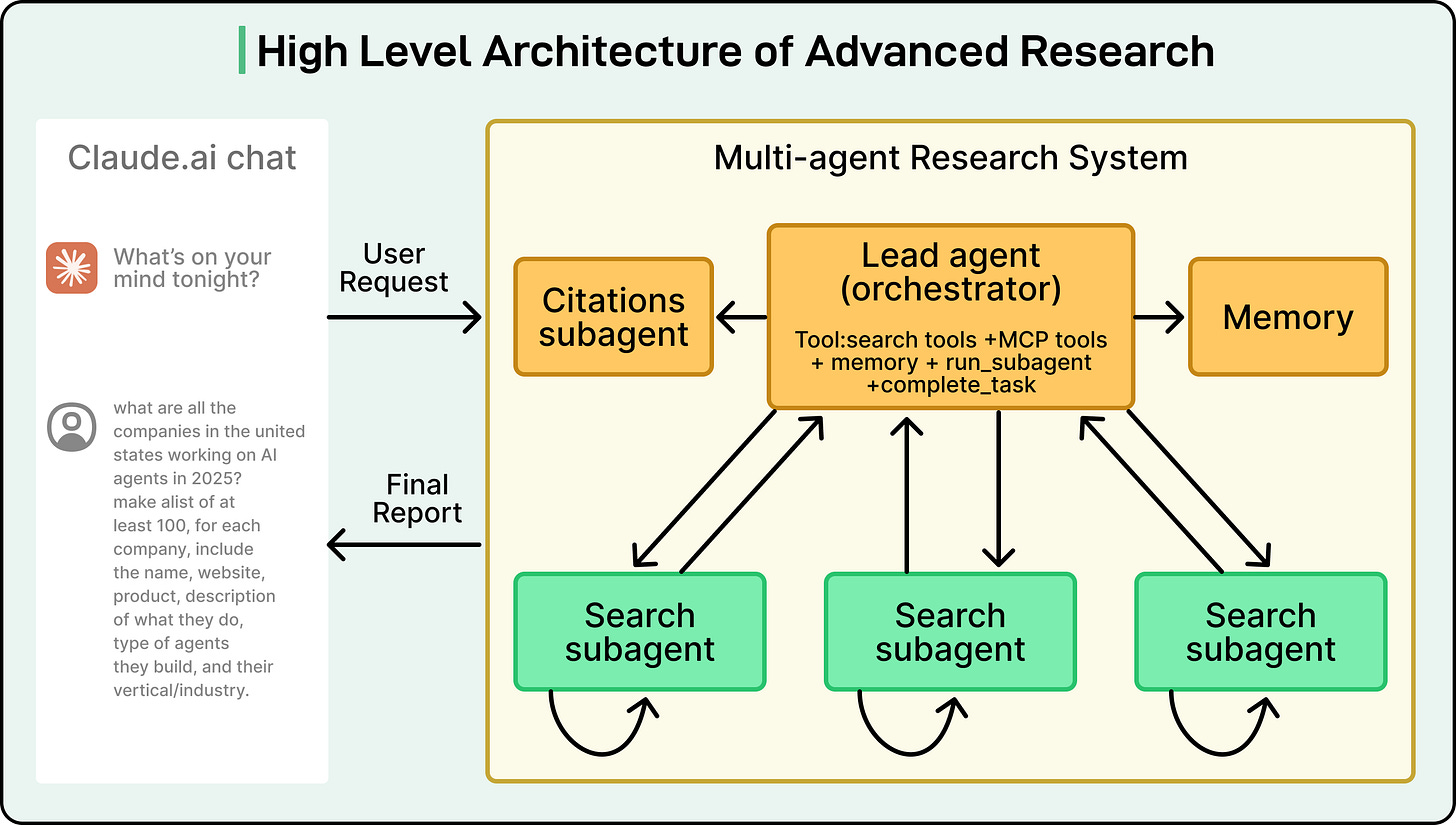
🧩 ByteByteGo systematically deconstructed the Deep Research multi-agent architecture—from orchestrators decomposing tasks to parallel sub-agent retrieval to synthesizing cited reports. The piece also compares implementations across OpenAI, Gemini, Claude, and Perplexity. Essential reading for understanding AI research systems.

📈 Lovable hit $200M ARR in under a year with just 100 people, shattering SaaS growth records. Elena Verna's retrospective reveals the new AI-era growth playbook: 95% innovation investment, aggressive freemium strategy, building in public, and replacing MVP with "Minimum Lovable Product (MLP)."

💡 Every CEO Dan Shipper shared their radical approach to building an AI-native company : 99% of code written by AI agents, with individuals building and maintaining complex production apps solo. The "compound engineering" concept—converting tacit development knowledge into reusable prompt libraries—achieves 10x engineering efficiency gains.

📊 Zhenfund's Dai Yusen defined 2026 as The Year of R : Return (ROI accountability), Research (new paradigms beyond pure scaling), and Remember (personalized memory as the real moat). He warned of potential secondary market corrections and offered a "barbell strategy" for navigating the cycle.

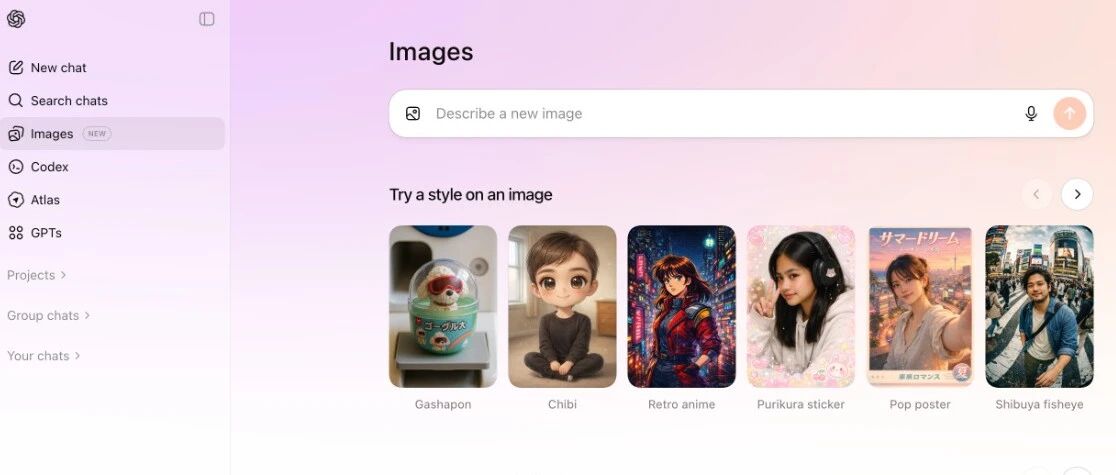
🎨 Image and video generation saw major updates. GPT Image 1.5 significantly improves instruction following and precise local editing; ByteDance's Seedance 1.5 pro achieves audio-video joint generation with native multilingual lip-sync support—marking AI video's leap from visual-only to audiovisual storytelling.

🌐 Anthropic's Interviewer tool conducted deep interviews with 1,250 users, mapping a "human emotional radar." Knowledge workers hide their automation to maintain professional image, creators struggle between efficiency and originality anxiety, scientists withhold core judgment due to reliability concerns. AI research is shifting from technical metrics to deep understanding of human psychology.

Hope this issue sparks some new ideas. Stay curious, and see you next week!

网易科技
mp.weixin.qq.com
12-18
3465 words · 14 min
94
How Will OpenAI Respond? Google's Midnight 'Bomb' – Pro-level Intelligence at a Bargain Price, Netizens Exclaim: A Versatile Powerhouse!

Google releases Gemini 3 Flash, attempting to break the Pareto limit of AI performance and efficiency. While retaining Gemini 3 Pro-level reasoning (90.4% on GPQA), it delivers Flash-level low latency with a 3x speed boost, reaching a throughput of 218 Tokens/sec. Key features include adjustable "Thinking Levels" and Context Caching, significantly reducing deployment costs for complex Agent scenarios in law, finance, and coding.

InfoQ 中文
mp.weixin.qq.com
12-19
3047 words · 13 min
93
OpenAI Unleashes Super-Coder GPT-5.2 Codex, Challenging Google and Anthropic; Users Say: 'Expensive but Worth It'

This article provides a detailed introduction to OpenAI's newly released GPT-5.2 Codex model, which is based on the general-purpose GPT-5.2 model and specifically optimized for 'Agentic Coding' scenarios. Key improvements include enhanced understanding and utilization efficiency of ultra-long contexts, increased reliability for large-scale code refactoring and migration, and significantly boosted cybersecurity capabilities.

浮之静
mp.weixin.qq.com
12-17
3351 words · 14 min
92
GPT Image 1.5 Hands-on Test & Prompt Guide

OpenAI has released its new flagship image model, GPT-Image-1.5, featuring significantly improved instruction following and precise local editing. The model excels at maintaining consistency in lighting, composition, and character appearance during multi-turn edits, alongside enhanced text rendering. This article provides a detailed breakdown of the official Prompting Guide and conducts comparative testing against Gemini 3.0 Pro Image. It highlights GPT's strengths in style transfer and steerability while noting limitations in complex image fusion, making it essential reading for practitioners focusing on AI art workflows.

字节跳动Seed
mp.weixin.qq.com
12-16
4297 words · 18 min
91
Seamless Audiovisuals, Immersive Storytelling | Seedance 1.5 Pro Audio-Video Creation Model Officially Released

The ByteDance Seed team has launched Seedance 1.5 pro, a breakthrough joint audio-video generation model that marks a shift from visual-only generation to integrated audio-visual storytelling. Built on the MMDiT architecture, its core strength lies in precise audio-visual synchronization, offering native support for lip-sync and emotional expression in multiple languages and dialects (e.g., Sichuanese, Cantonese). Beyond audio, it significantly enhances cinematic camera control (e.g., Hitchcock zoom) and narrative consistency. While there is room for improvement in multi-character dialogue and physical stability, its practical value for short dramas, advertising, and film creation is substantial. It is now available on Jimeng AI and Doubao.

Google DeepMind
youtube.com
12-16
12482 words · 50 min
93
The future of intelligence | Demis Hassabis (Co-founder and CEO of DeepMind)

In this annual deep dive, Google DeepMind CEO Demis Hassabis dissects the technical path from Gemini 3 to AGI. He posits that AGI = 50% Scaling + 50% Innovation, arguing that data scaling alone is insufficient and must be combined with AlphaGo-style search and planning capabilities. The interview highlights the critical role of World Models and Simulation in understanding intuitive physics and accelerating scientific discovery (e.g., fusion, material science). Furthermore, Hassabis likens the AI transformation to a "10x speed Industrial Revolution" and offers profound insights into economic restructuring in a post-scarcity era.

赛博禅心
mp.weixin.qq.com
12-14
1539 words · 7 min
93
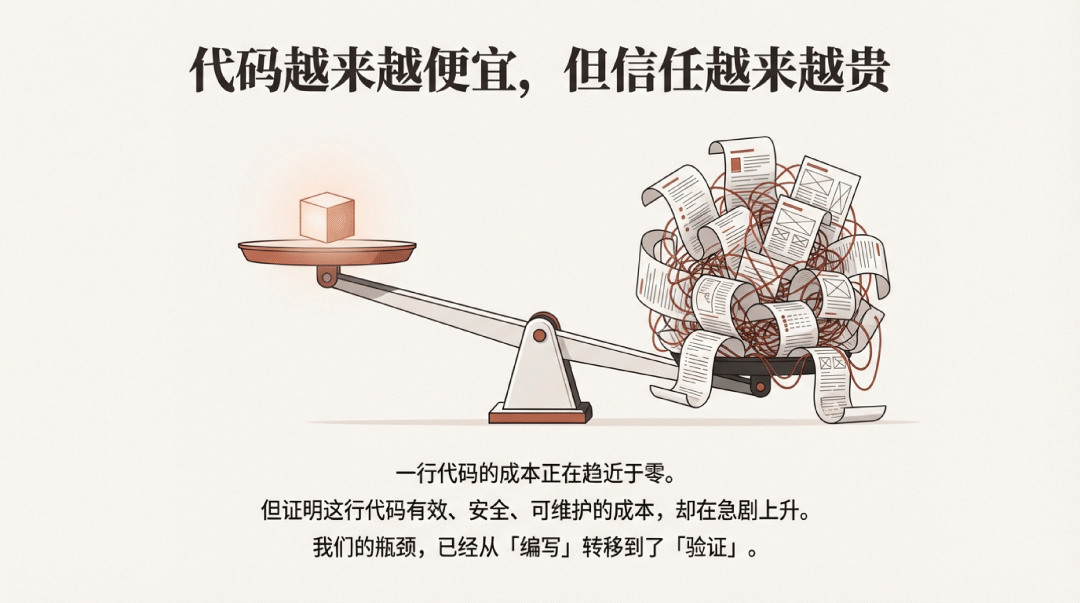
The Next Revolution: Vibe Engineering | An Internal OpenAI Perspective

This piece captures key insights from OpenAI's internal sharing session on "Vibe Engineering." The numbers are striking: 92% Codex adoption among technical staff, with users producing 70% more merged PRs than non-users. Two demos stand out—7 hours and 200 iterations to produce 500 lines of quality code, and 12 hours to rewrite a Kotlin project in Rust from an empty directory. The more profound shift is in engineering roles: engineers are becoming managers of AI agents, which themselves spawn sub-agents. The distinction between "Vibe Engineering" and "Vibe Coding" is crucial—the former maintains human accountability while leveraging agents throughout the development lifecycle. Essential reading for developers tracking how AI coding tools are reshaping engineering practice at the frontier.

大淘宝技术
mp.weixin.qq.com
12-15
12243 words · 49 min
92

The Taote team explores the evolution of AI coding from Copilot to SDD. Addressing the issues of inconsistent styles in Agentic Coding and the difficulty of implementing SDD, they propose a practical solution: using Rules files to enforce project standards combined with lightweight technical schemes and AI-maintained documentation. This achieves a balance between standardization and efficiency in complex business scenarios.

AI Engineer
youtube.com
12-13
9931 words · 40 min
92
From Vibe Coding To Vibe Engineering – Kitze, Sizzy

Kitze delivers an engaging and humorous exploration of developers' survival strategies in the AI era. He clearly distinguishes between "Vibe Coding" (blindly trusting AI-generated code) and "Vibe Engineering" (strategically guiding AI with technical knowledge), while sharing how Composer One transformed his development workflow. The talk covers the current state of frontend development, proper AI tool usage, new skills developers need to master, and insightful observations on job market changes. Particularly valuable are his hands-on experiences with AI agents, from voice coding to context management, with detailed methodological insights. Essential reading for developers interested in AI-assisted development and career planning.

ByteByteGo Newsletter
blog.bytebytego.com
12-12
2666 words · 11 min
92
How OpenAI, Gemini, and Claude Use Agents to Power Deep Research

ByteByteGo's in-depth technical article systematically dissects the multi-agent architecture behind Deep Research systems. It explains the complete workflow from user query to final report generation, including how orchestrators decompose tasks to specialized sub-agents, parallel information retrieval execution, and synthesis-stage citation generation. Particularly valuable is the comparative analysis of implementation differences across platforms like OpenAI, Gemini, Claude, and Perplexity—such as OpenAI's interactive clarification versus Gemini's autonomous plan generation. With clear architecture diagrams, it's ideal for developers and architects seeking to understand how AI research systems work under the hood.

Lenny's Podcast
youtube.com
12-18
11186 words · 45 min
93
The new AI growth playbook for 2026 | How Lovable hit $200M ARR in one year

Lovable shattered SaaS records by reaching $200M ARR in under a year with just 100 employees. In this episode, Elena Verna reveals how AI has rewritten the growth playbook. She argues that traditional funnel optimization is dead, replaced by a strategy focused 95% on innovation, aggressive free tiers, and "building in public." Introducing concepts like "Minimum Lovable Product" and the necessity to re-win PMF every three months, this is essential listening for understanding how "Vibe Coding" and emotional product design drive hyper-growth in the AI era.

123. Generative Systems, Eliminating Middlemen, and Platform Power Realignment: A 3-Hour Interview with ONE2X Founder Wang Guan

Wang Guan, founder of ONE2X, offers a deep dive into AI application-layer startup methodology: data is the first principle, with product-native data as the key moat; generative systems will replace recommendation systems, eliminating middlemen; video is the starting point of AI-era content, where creation becomes expression and the attention economy shifts to a trust economy.

Founder Park
mp.weixin.qq.com
12-16
8151 words · 33 min
93
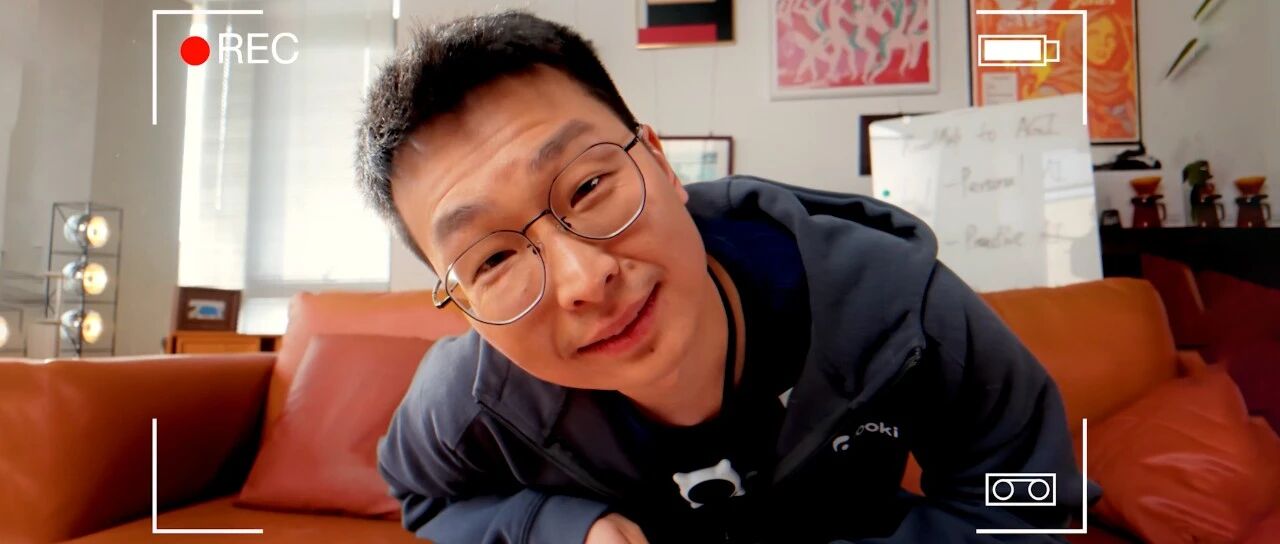
Exclusive Interview with Looki Founder Sun Yang: Charting Their Own Course

By reshaping the AI Hardware narrative, Looki L1 transformed from a niche gadget into a high-frequency companion with 7.9 hours of daily usage. The core insight lies in the product's evolution from simple recording to understanding Context and delivering proactive surprises. Founder Sun Yang's observations on weekday workflow integration and the long-term vision of Value Selling beyond hardware offer a practical blueprint for AI startups.

Founder Park
mp.weixin.qq.com
12-17
8731 words · 35 min
92
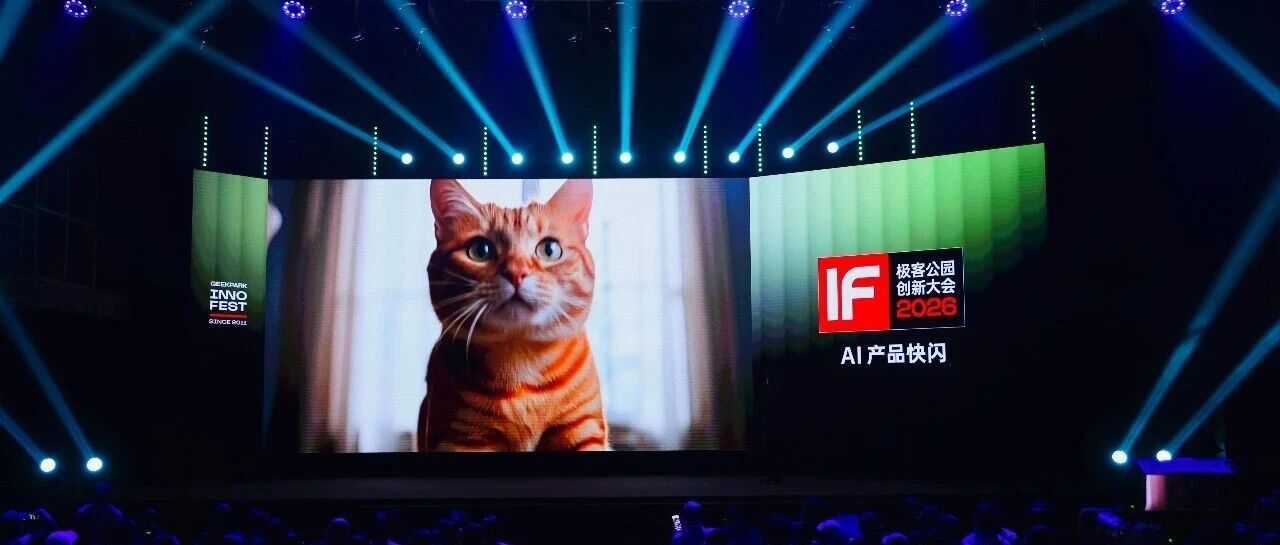
December: 7 AI Innovations We Recommend

This article showcases 7 innovative AI products from the Geek Park Innovation Conference, covering note-taking, photography, productivity, marketing, Agent marketplaces, wearables, and e-commerce visuals. Through insights from founders of flomo, Doka, and remio, it explores diverse product philosophies in the AI era. Key themes include flomo's refusal to generate content in favor of "contextual" insights and Pallas AI's concept of AEO. It offers a practical look at diverse application scenarios and differentiation strategies, ideal for product managers and founders seeking inspiration.

AI Engineer
youtube.com
12-18
4414 words · 18 min
92
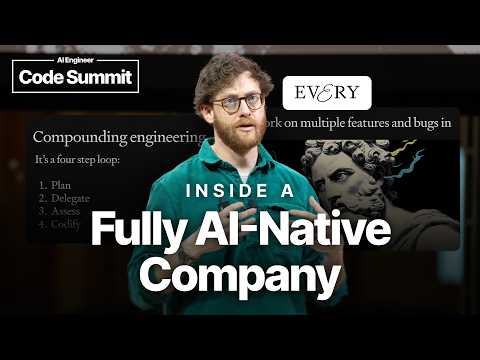
How to build an AI native company (even if your company is 50 years old) – Dan Shipper, Every

Dan Shipper, CEO of Every, shares radical insights on building a fully AI-native company where 99% of the code is written by AI Agents. He introduces "Compounding Engineering," a framework that transforms tacit development knowledge into a reusable library of prompts. This approach unlocks parallel workflows and seamless cross-product code sharing. By reducing the marginal cost of prototyping to near zero, it reshapes organizational culture, allowing even managers and CEOs to contribute production-grade code during fragmented time, ultimately achieving a 10x leap in engineering efficiency.

新智元
mp.weixin.qq.com
12-15
3974 words · 16 min
92
Anthropic's Groundbreaking Research: When AI Interviewed 1,250 People, It Uncovered Humanity's 'Professional Weaknesses'

Anthropic has released "Interviewer," a tool that demonstrates AI's capability for large-scale qualitative research. Through deep interviews with 1,250 users, it maps a precise "human emotional radar." The study reveals distinct psychological landscapes: professionals hide automation to maintain their image, creators struggle between efficiency and identity crises, while scientists retain core judgment due to reliability concerns. This article deeply analyzes how AI touches the "irreplaceable core" of various professions, marking a shift in AI research from technical metrics to a profound understanding of human psychology and social relationships.

Web3天空之城
mp.weixin.qq.com
12-15
20729 words · 83 min
92
Google Co-founder Sergey Brin on Innovation, Entrepreneurship, and the Future of AI at Stanford Engineering's Centennial | Illustrated Full Text, Audio, Video & 20,000-Word Transcript

A deep dive with Sergey Brin post-return to the frontlines. Key takeaways: 1. Algorithm > Scale: Compute is just the dessert; algorithmic breakthroughs are the main course. 2. Velocity Crisis: Innovation is moving so fast that even Google lagged post-Transformer and had to scramble. 3. Education Prophecy: With decentralized knowledge transfer, the traditional physical university model may not survive the next century. Essential for tracking AGI trends.

124. Year-end Review [Beyond 2025]: Discussing 2026 Expectations, The Year of R, Market Correction, and Our Bets with Dai Yusen

This episode offers a pragmatic retrospective of the AI industry's shift from hype to reality. Yusen Dai of ZhenFund defines 2026 as "The Year of R": Return—the market will pivot from blind investment to demanding ROI and high-quality growth; Research—as pure Scaling Laws face diminishing returns, new paradigms (like Thinking Time Scaling) are needed; and Remember—the true moat for applications lies in personalized memory based on user context. Dai analyzes the robust catch-up of Chinese model companies in the open-source ecosystem and issues a sober warning about potential public market pullbacks, offering a "dumbbell strategy" for founders and investors to navigate the cycle.

Z Potentials
mp.weixin.qq.com
12-17
3148 words · 13 min
92
In-depth Analysis | Year-End Review of Large Models: How to Define a 'Good Model' in 2025?

This article accurately captures the pivotal shift in the AI industry in 2025: moving from "benchmark fatigue" to building genuine "trust." Data from Interconnects.ai and OpenRouter reveals that open-source models like DeepSeek and Kimi have transitioned from optional to essential, with a significant rise in Token share for complex Reasoning Models. The piece outlines three pragmatic dimensions for establishing AI trust: Multi-dimensional Evaluation based on real-world production data, Deployment Engineering focused on cost transparency, and a Delivery System emphasizing governance and observability.

爱范儿
ifanr.com
12-18
2867 words · 12 min
92
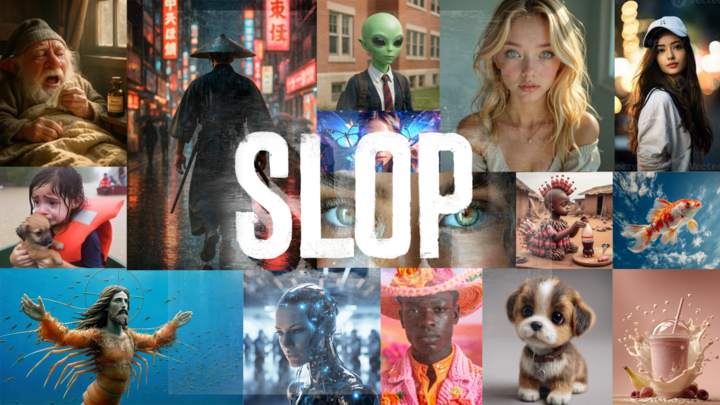
2025 Word of the Year, 'Slop': If Our Screens Are Filled with Slop, What Does That Make Us?

"Slop" defines the new era of mass-produced, mediocre AI content. Disney's investment in Sora signals the rise of "Slop Economics," where content serves as cheap "background noise" to maximize screen time rather than artistic value. The internet is transforming into a digital landfill designed to satisfy algorithms, reducing users to passive consumers of low-grade digital filler.

    BestBlogs Issue #77: Vibe Engineering | BestBlogs.dev