Hello! Welcome to BestBlogs.dev Issue 80 AI Article Recommendations.
This week's theme is From Chat to Action .
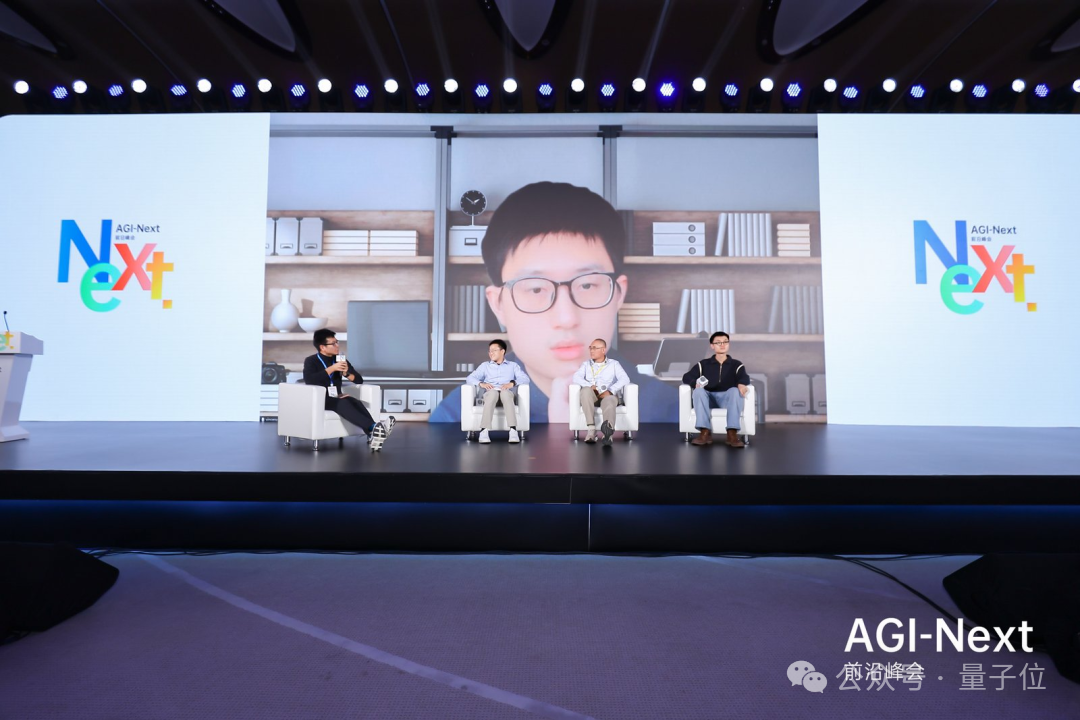
At the Tsinghua AGI-Next Summit, Zhipu's Tang Jie put it bluntly: after DeepSeek's breakthrough, the Chat era is essentially over—the next frontier is getting things done. Yang Zhilin framed the destination of this paradigm shift as the Agentic Intelligence Era, where models evolve from passive text generators into autonomous agents capable of planning and decision-making.
This isn't hype. This week, Alibaba's Qianwen App integrated over 400 services, enabling users to order food, book flights, and check social security with a single command. Claude Cowork brought agent capabilities to the desktop. Cursor and Claude both released official agent best practices. From foundation models to consumer products, the entire industry is answering the same question: how can AI actually get things done for people?
Here are the 10 highlights worth your attention this week:
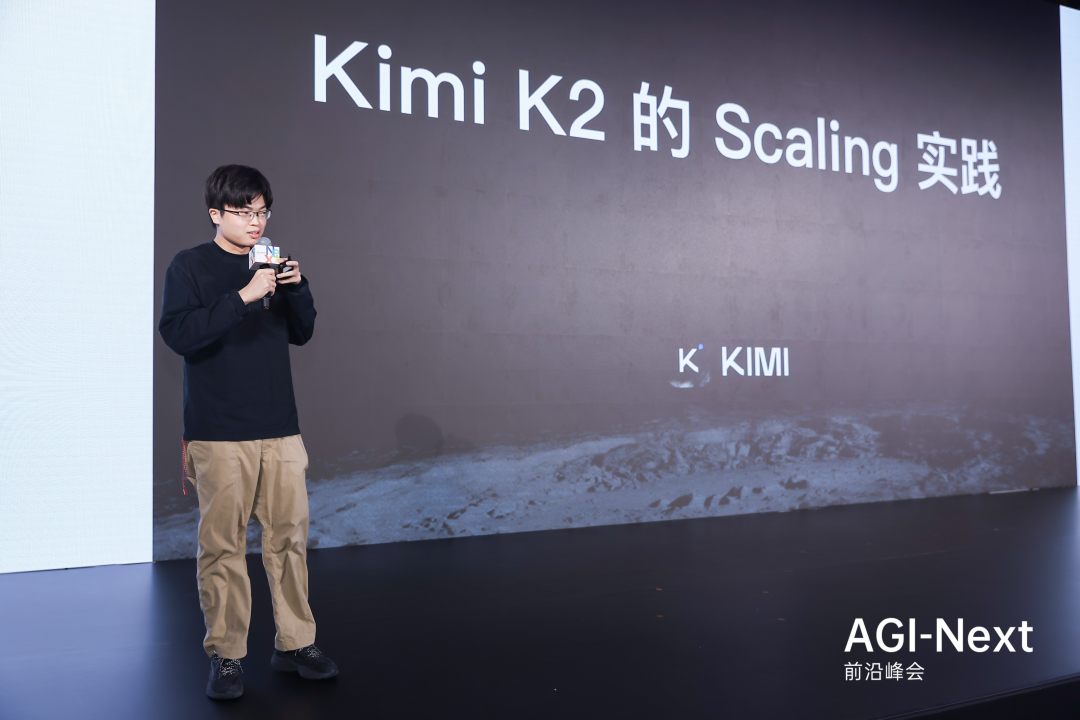
🎤 The Tsinghua AGI-Next Summit brought together China's AI elite for what may be the year's most information-dense technical dialogue. Tang Jie traced Zhipu's decade-long journey from cognitive intelligence to agents, arguing that Intelligence Efficiency will define the next phase of competition. Yang Zhilin shared Kimi's technical roadmap for the first time, centered on Token Efficiency and Long Context, revealing key details about the Muon optimizer and KimiLinear architecture. Lin Junyang candidly assessed China's chances of overtaking at around 20%, but noted that necessity breeds innovation—hardware-software integration may be the breakthrough path. Yao Shunyu joined remotely, observing a clear divergence between toB and toC: higher model intelligence translates directly into greater productivity value.
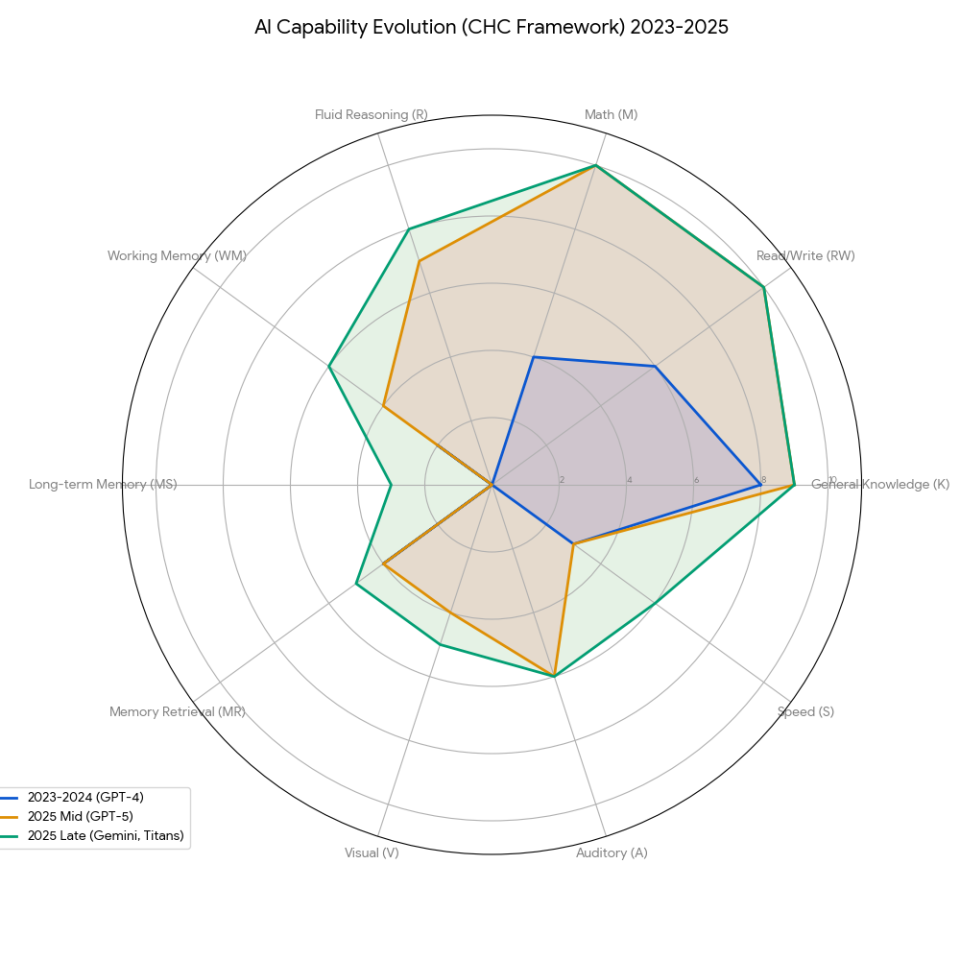
📊 A comprehensive annual AI review synthesizing 200 papers declares 2025 the end of the Scaling Law brute-force era. Technical focus has shifted to four core domains: fluid reasoning, long-term memory, spatial intelligence, and meta-learning.
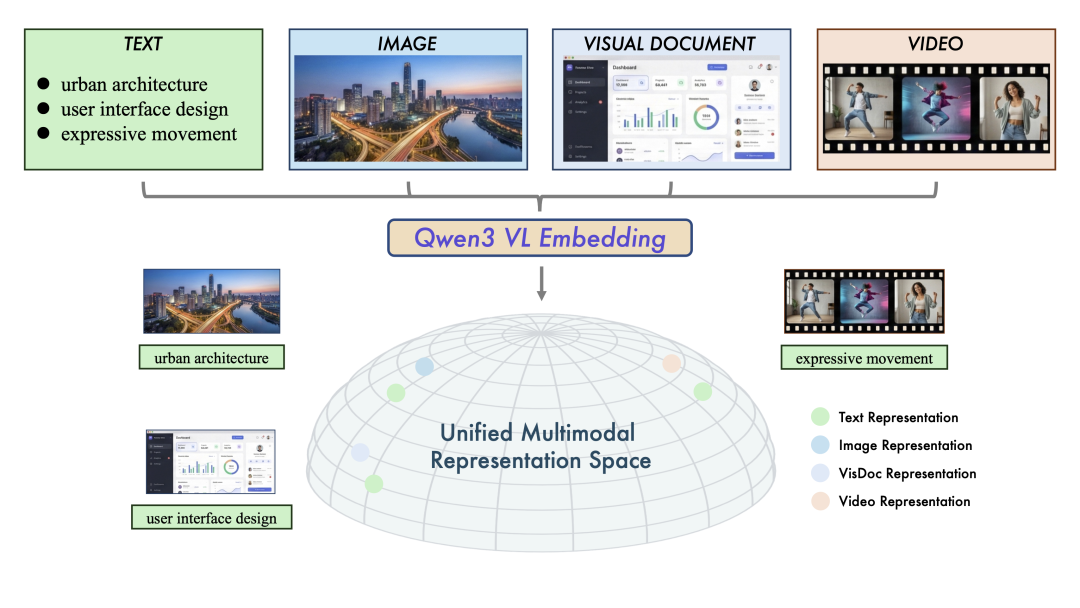
🔍 The Qwen team released the Qwen3-VL-Embedding and Reranker series, filling a gap in high-performance multimodal retrieval tools for the open-source community. The two-stage pipeline—dual-tower embedding for recall plus cross-encoder for reranking—sets new open-source records on benchmarks like MMEB-v2. Essential reading for developers building multimodal RAG systems.
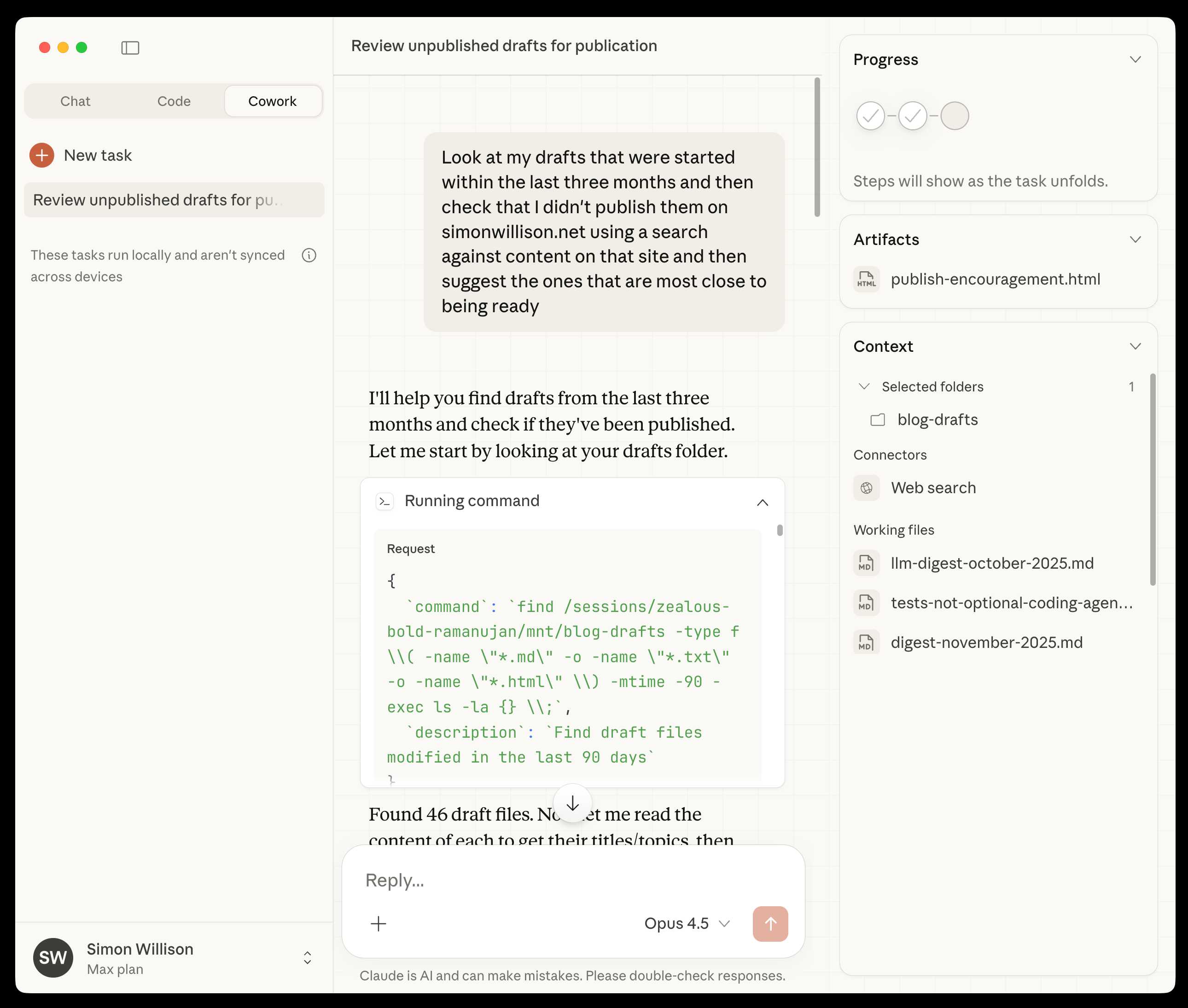
🤖 Qianwen App received a landmark update, integrating Taobao, Fliggy, and over 400 Alibaba ecosystem services to transform into a full-featured agent. Users can now complete food delivery, flight bookings, and government services with a single command, powered by Qwen3-Max and the MCP protocol. Meanwhile, Simon Willison tested Anthropic's Claude Cowork , demonstrating its potential for desktop automation workflows while cautioning users about prompt injection risks.
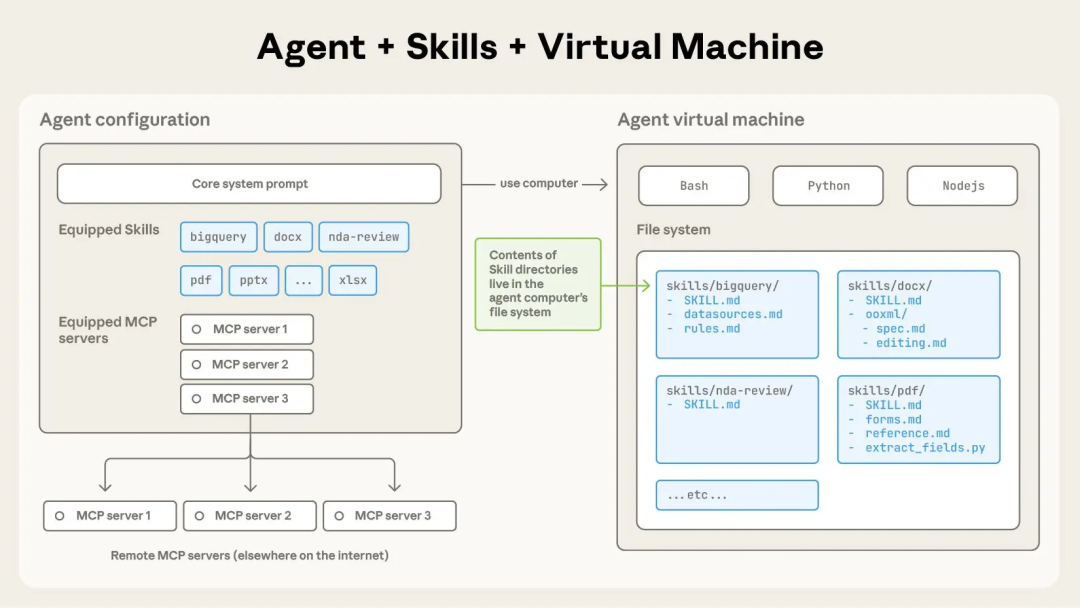
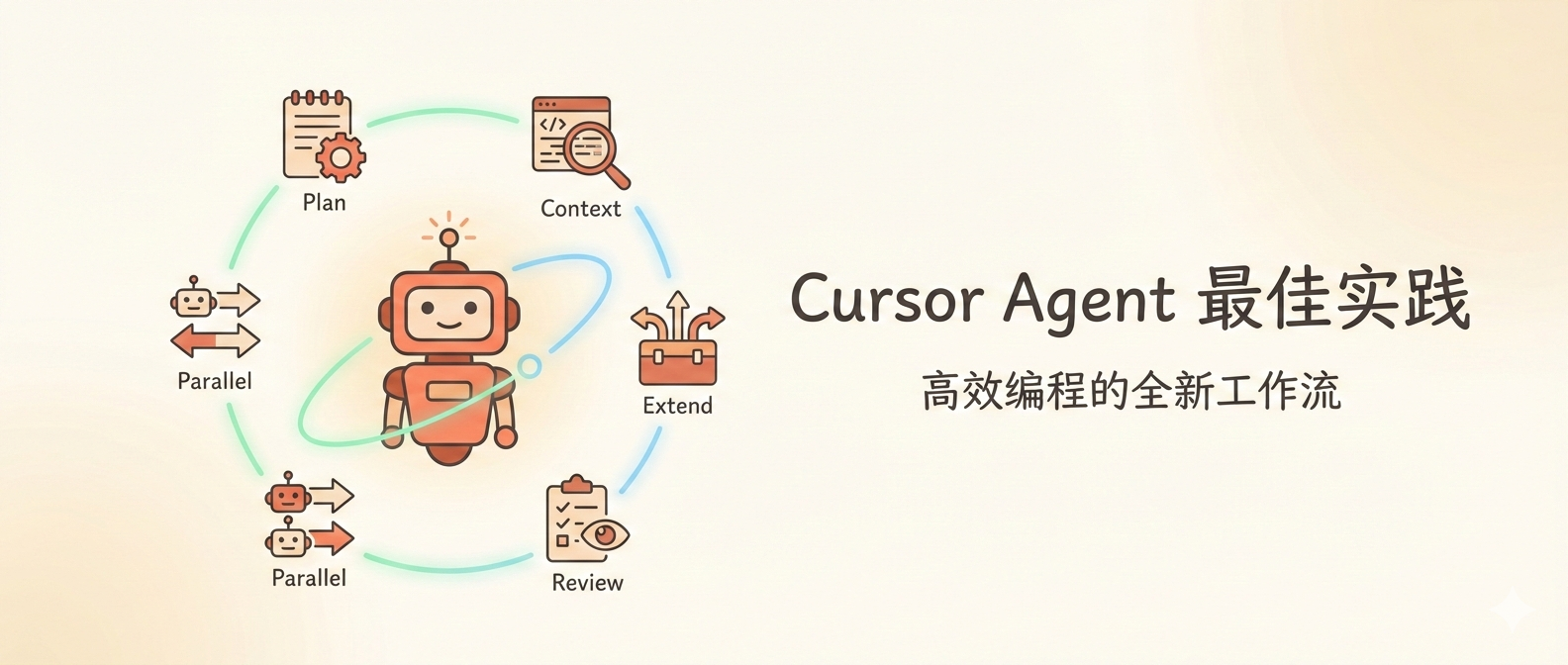
🛠️ Cursor officially released agent best practices, moving beyond basic prompt input to advocate a plan-first-code-later strategy. The guide covers .cursor/rules for global configuration, SKILL.md for dynamic capabilities, and Hooks for automation loops. Alibaba Cloud developers published a deep dive on Claude Skills , clarifying the distinction between Skills and MCP and providing a complete progression from official best practices to real-world implementation.
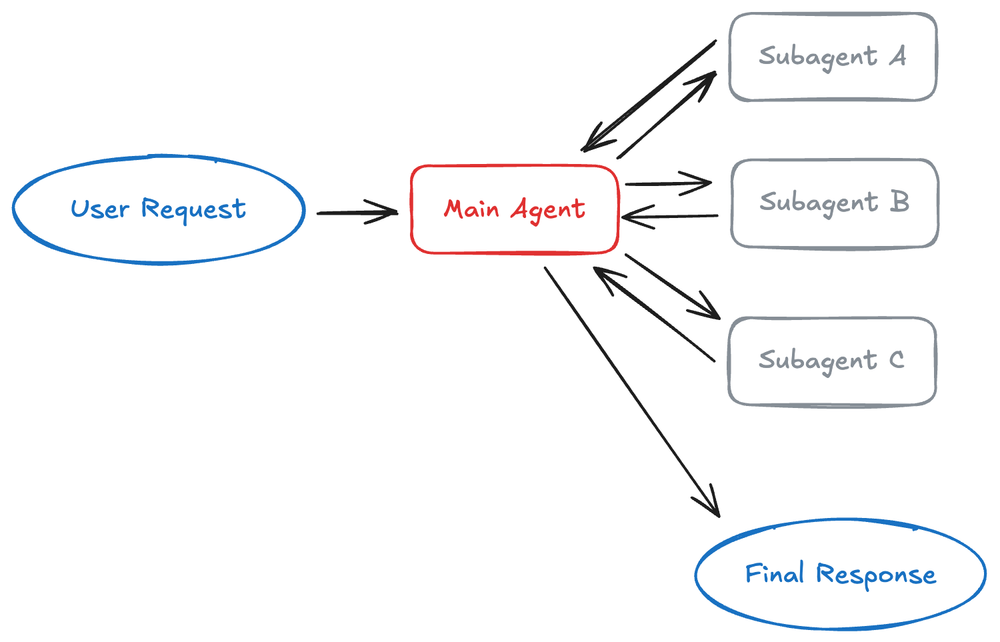
🧩 LangChain published a detailed comparison of four multi-agent architecture patterns: subagents, skills, handoffs, and routers. Through quantitative analysis of model calls, latency, and token consumption, the guide offers a clear decision framework. The core advice: stick with simple single-agent designs until you hit clear scaling bottlenecks.
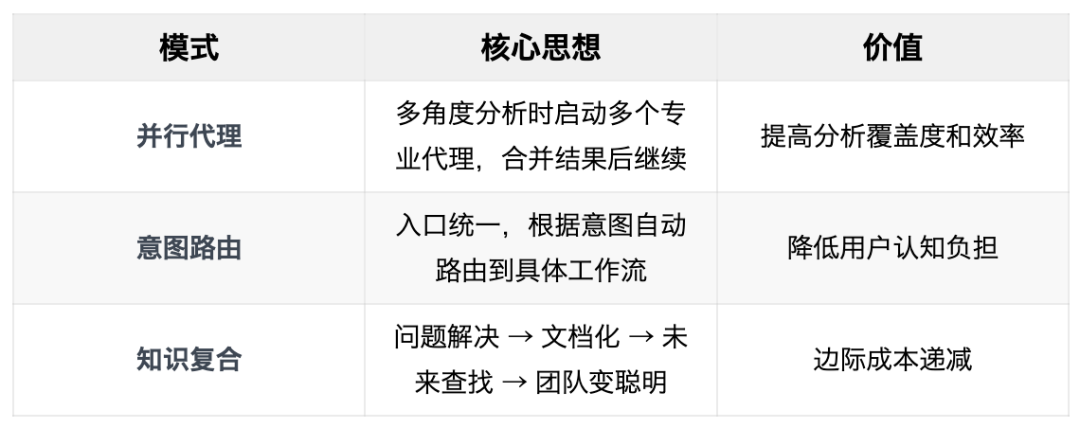
📐 A Trae technical expert at ByteDance dissected Agentic Coding from first principles. The key insight: improving AI collaboration isn't about unlimited context, but about short conversation patterns and compound interest engineering. Tencent's team shared a three-month speckit retrospective, proposing a new architecture based on context engineering and composite engineering that decouples agents from skills for automated knowledge accumulation and retrieval.
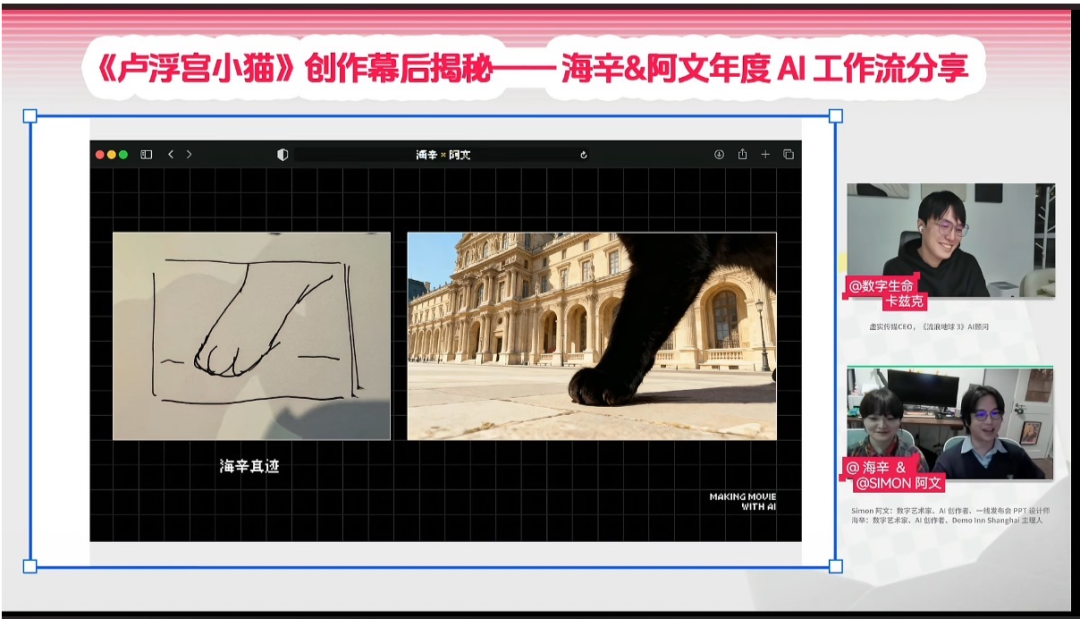
🎬 The viral Louvre Cats AI video creators shared an extensive behind-the-scenes breakdown covering the entire workflow: concept development, character selection, storyboarding, and art direction. The core insight: upfront human planning like hand-drawn storyboards remains essential—AI amplifies rather than replaces creative vision.
💼 OpenAI and Google engineers shared lessons from deploying over 50 AI products, focusing on the challenges of non-determinism. The core framework balances agency versus control: start with low-agency, high-control V1 versions and iterate through continuous calibration. "Pain is the new moat"—a truth worth pondering for any team moving from prototype to production.
🎙️ Two podcasts explored value reconstruction in the AI era from different angles. Oasis Capital's Zhang Jinjian reflected on three years of going all-in on AI , proposing that the defining challenge of the next decade is building subjectivity—in an age where AI amplifies individual traits, being authentically yourself is no longer sentimental advice but the only survival strategy. Another episode examined how AI Coding is transforming software from high-value asset to low-cost commodity, shifting competitive moats from what you can build to who controls distribution and trust.
From chat to action, from conversation to execution—the signals at the start of 2026 are unmistakable. Model companies are competing on intelligence efficiency, application layers are racing to deploy real-world solutions, and the real competition has only just begun. Stay curious, and see you next week!