Hello everyone! Welcome to Issue #83 of BestBlogs.dev, your curated digest of the latest breakthroughs in AI.
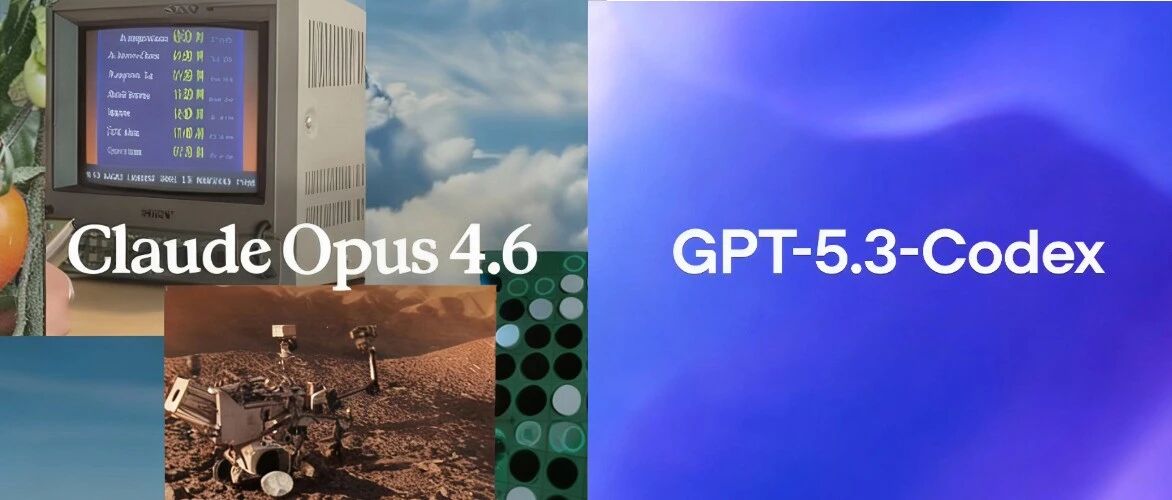
This week marked a "Super Bowl moment" for AI-powered engineering. The simultaneous release of Anthropic’s Claude Opus 4.6 and OpenAI’s GPT-5.3 Codex was no coincidence—it was a definitive signal that AI coding has graduated from experimental toy to frontline productivity powerhouse. While Claude flexes its 1M-token context window and "Agent Teams" collaboration, OpenAI has achieved a milestone by letting AI participate in its own development, leading Terminal-Bench 2.0 by 11.9%.
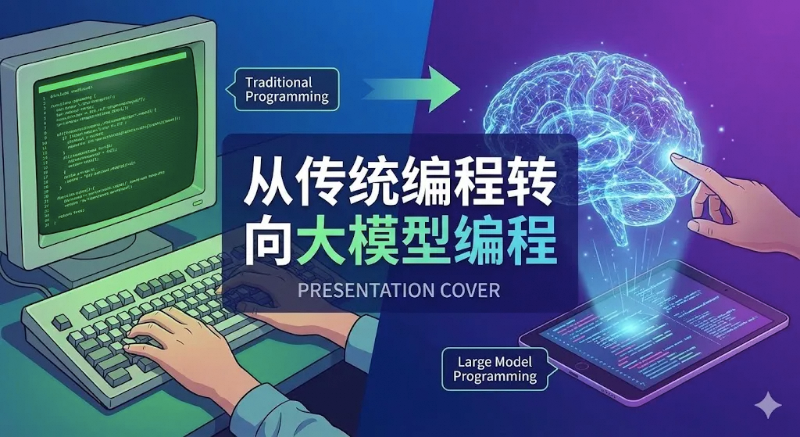
However, the more profound shift is philosophical. The Spec-Driven Development (SDD) methodology introduced by the Alibaba team reveals a stark new reality: code is evolving from a "core asset" into a "compilation artifact." As Markdown becomes the intermediate language for human-AI collaboration—with CLAUDE.md managing self-evolving rules and v0 enabling non-engineers to merge PRs—the traditional "write-debug-deploy" loop is being replaced by a "document-compile-verify" workflow.
Here are the 10 highlights you can't miss this week:
🚀 The Heavyweight Showdown : Claude Opus 4.6 vs. GPT-5.3 Codex. Claude leads with a massive 1M-token context and multi-agent orchestration, while GPT-5.3 Codex breaks ground in self-improving code, cutting token consumption by 50% with a 25% speed boost.
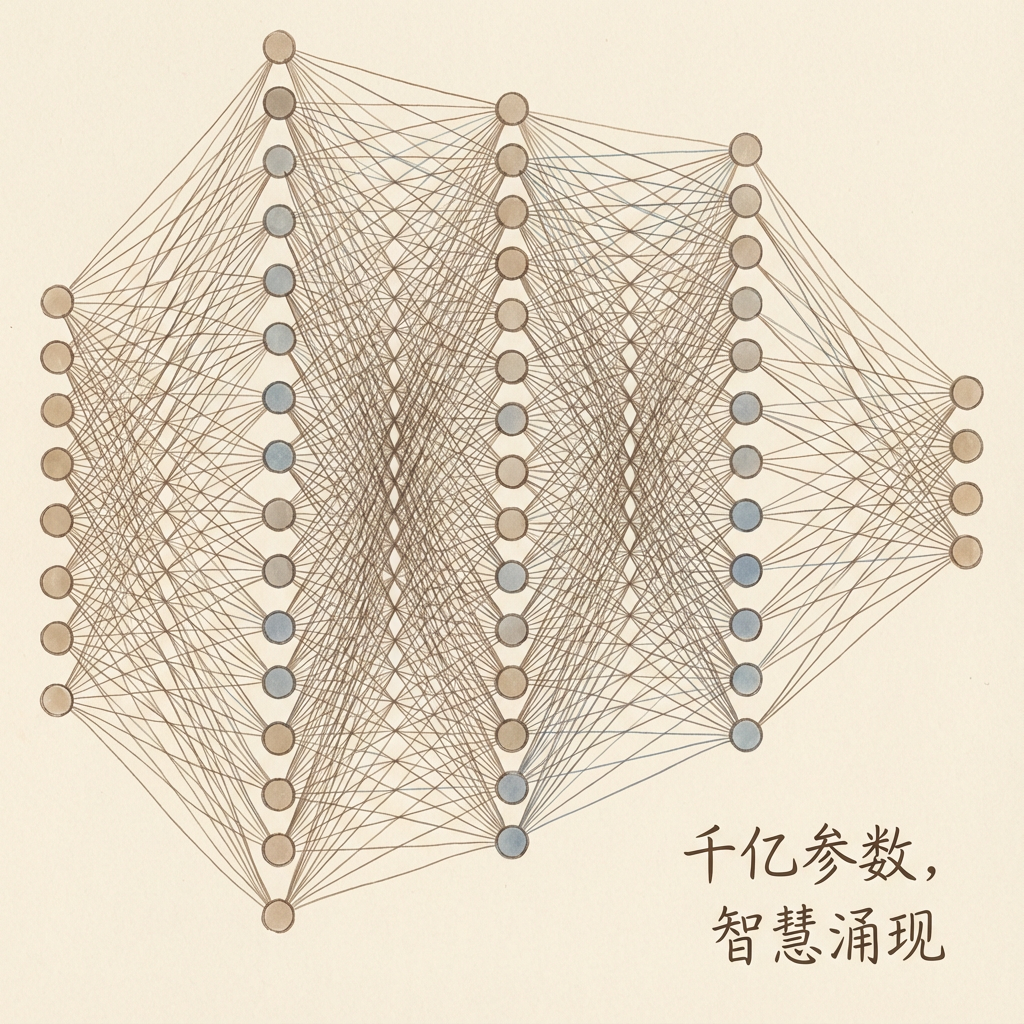
📚 Neural Networks from Scratch : A 30,000-word deep dive from Tencent Engineering that systematically deconstructs the path from basic neurons to LLMs. It uses everyday analogies to demystify complex concepts like Transformers, Agent architectures, and the MCP protocol.
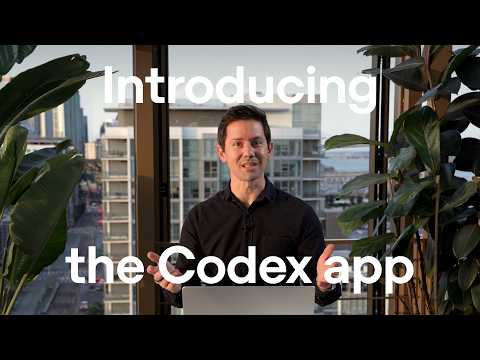
🎯 Official Codex App Deep Dive : A showcase of the future—generating full pages via voice commands. The "Skills" system leverages the MCP protocol to bridge Figma designs with production-ready code, while "Automations" handle recurring tasks.
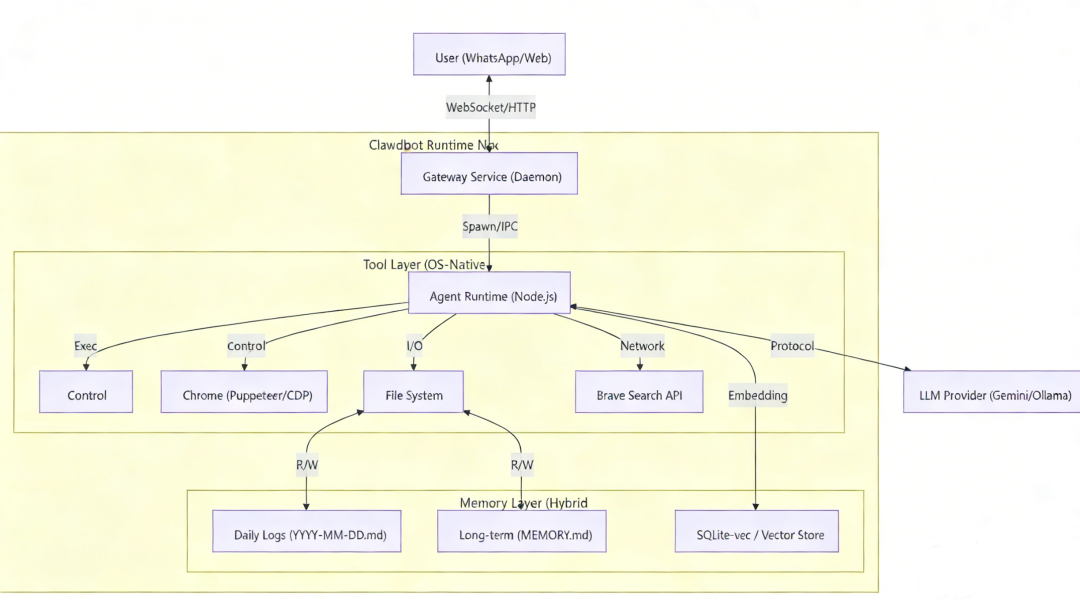
🤖 Deconstructing Clawdbot : A technical breakdown of a Jarvis-like personal assistant. It utilizes a triple-layer memory system, Browser Relay, and dynamic sub-agent orchestration, prioritizing "local privilege over cloud sandboxes" and "privacy over black-box SaaS."
📝 The SDD Paradigm Shift : Spec-Driven Development treats code as a secondary artifact. This highlight explores a three-stage workflow—Intent Definition, AI Compilation, and Doc-based Verification—emphasizing self-evolving SOPs and ChangeLog-driven consistency.
🏗️ Markdown as the Universal Bridge : Alibaba's team uses documentation to solve "context rot" and "review paralysis." They introduce the RIPER five-step workflow and a four-layer template to enable seamless parallel development across teams.
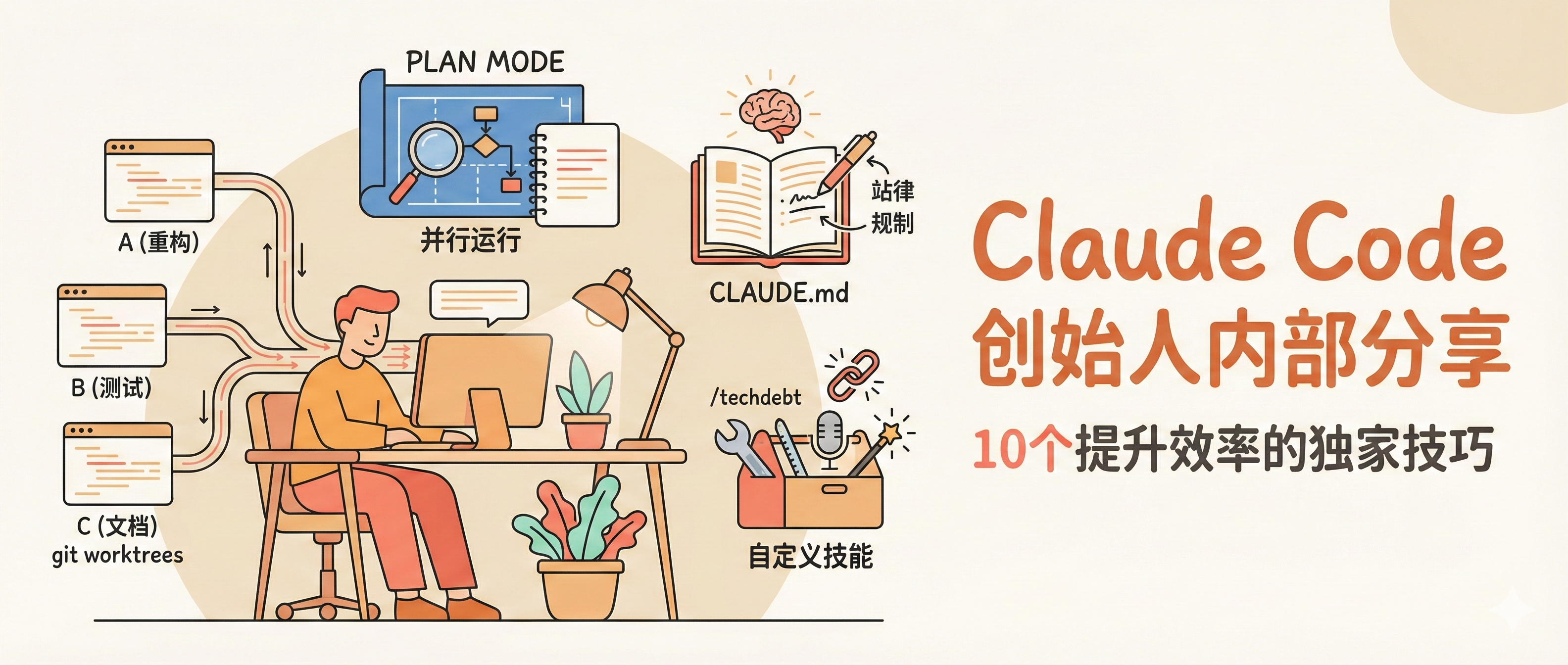
💡 Battle-Tested Tips from the Claude Code Team : Three keys to success: using Git worktrees for parallel execution, leveraging CLAUDE.md for AI-governed rules, and modularizing "Skills." One highlight: Boris hasn't written a SQL query in six months because data analysis is now a reusable skill.
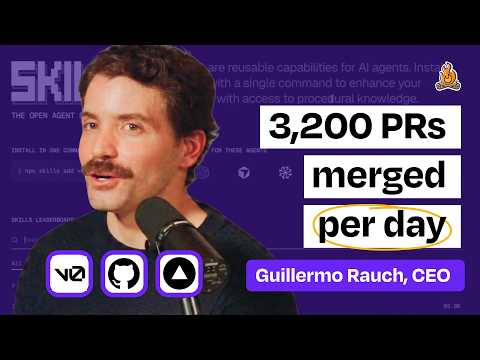
🌐 v0: Eliminating Engineering Friction : Inside Vercel, 3,200 PRs are merged daily. By allowing marketing teams to modify production UI directly, Vercel aims to turn "everyone into a chef" and eliminate the ritualistic friction of traditional task prioritization.
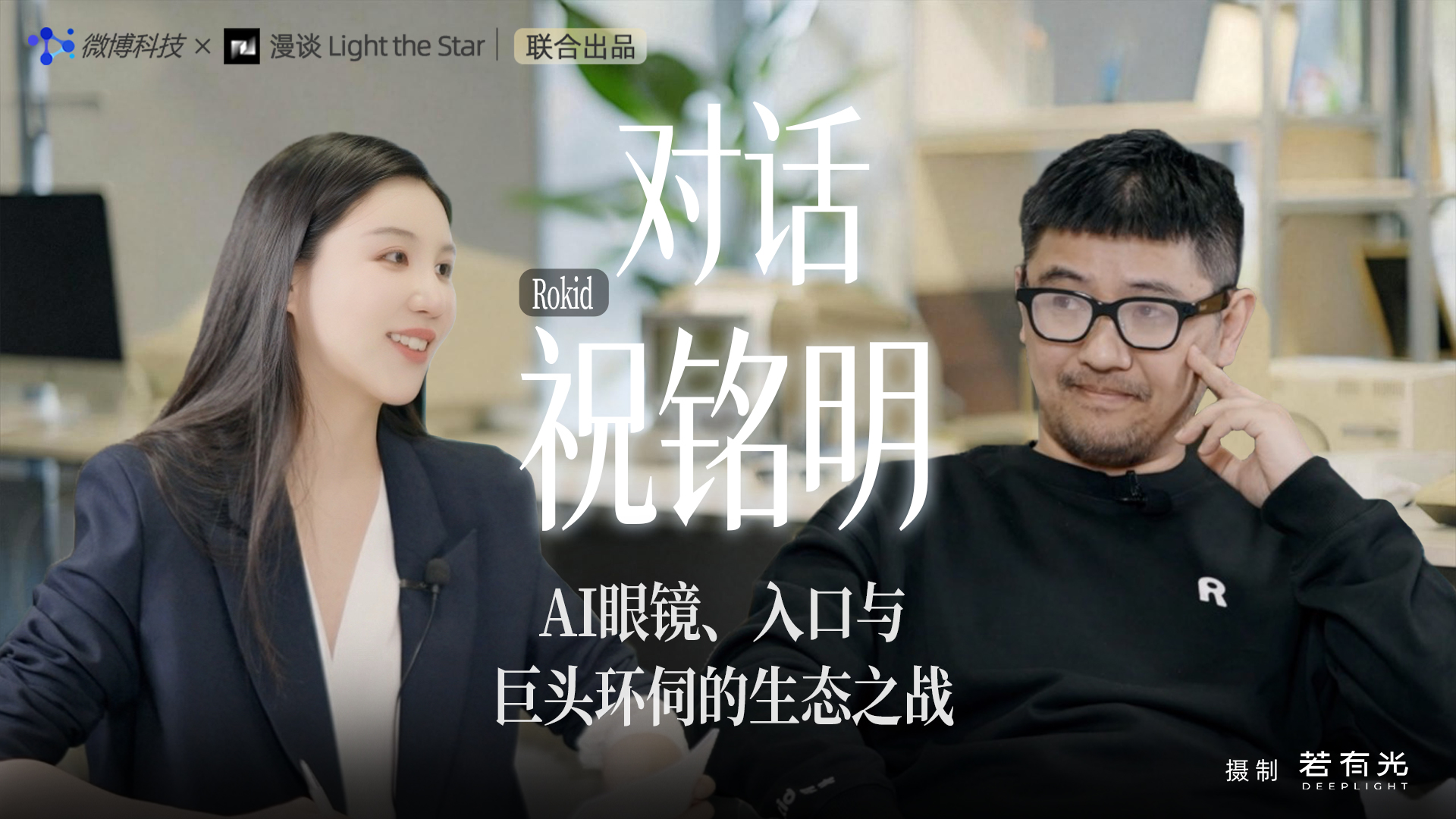
🥽 Rokid’s Logic on the AI Glass Explosion : The future of hardware isn't in the specs, but in the OS and ecosystem. The battleground is NUI (Natural User Interface) and Agent integration. Rokid argues for "optimization through subtraction"—trading binocular optics for better battery life and lower cost.
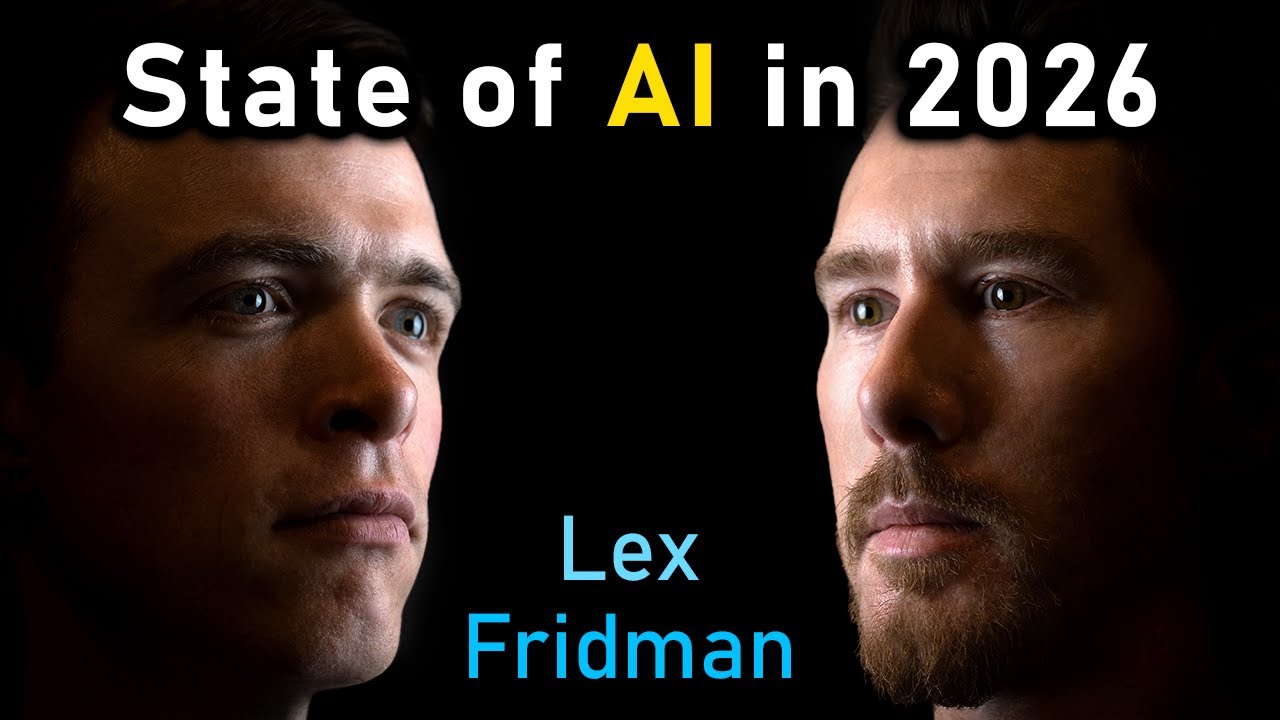
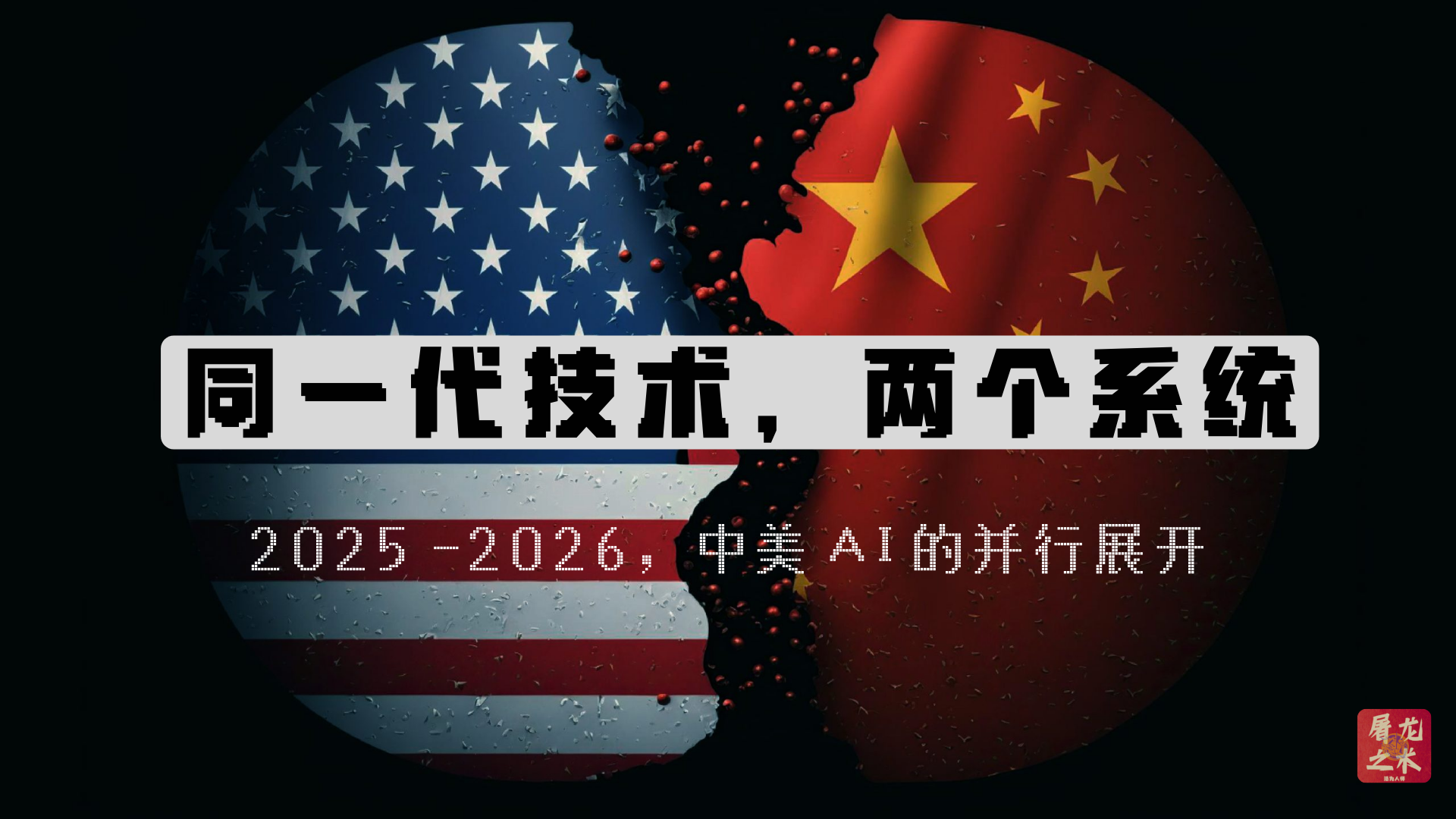
🔮 2026 AI Industry Retrospective : A deep look at the current landscape—the US is locked in a trillion-dollar compute arms race, while China competes through open-source ecosystems and "super apps." The timeline for AGI has shifted to 2031, and the dream of "one model to rule them all" is officially over.
We hope this issue sparks new ideas for your workflow. Stay curious, and we'll see you next week!