Hey there! Welcome to BestBlogs.dev Issue #79.
This is our first issue of 2026, and the keyword this week is LLM IPO Year .
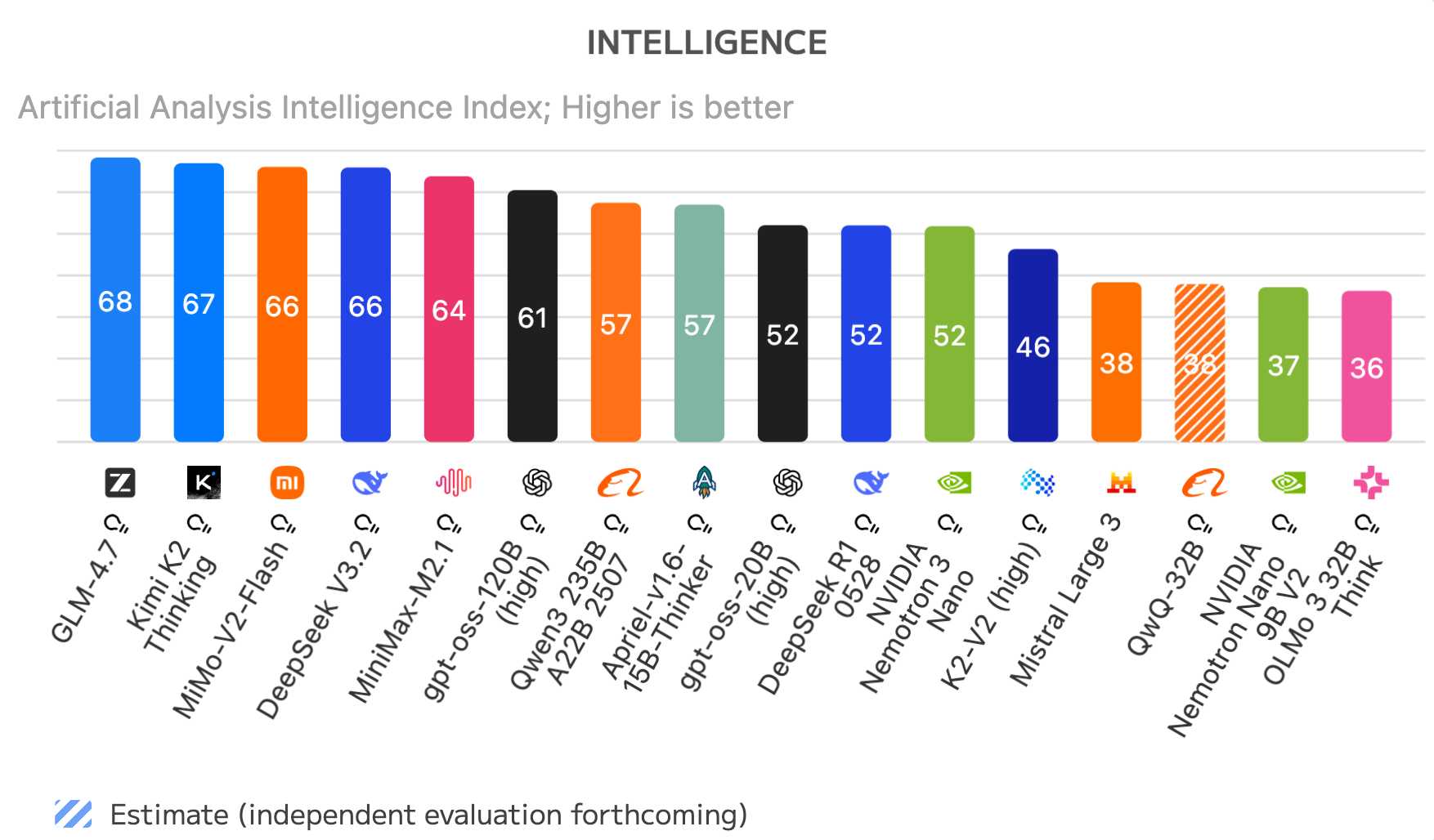
Zhipu AI just went public on the Hong Kong Stock Exchange as the "world's first large language model company to IPO," with Minimax following close behind. From the hundred-model war of 2023, to commercialization efforts in 2025, to capital market validation at the start of 2026, the Chinese LLM industry has completed a three-year journey from technical competition to value realization. This isn't just a milestone for two companies; it signals the entire industry entering maturity.
BestBlogs has also seen some updates for the new year. Based on community feedback, we've added OAuth and verification code login. Once logged in, you can bookmark, highlight favorite content, and easily review your reading history. We've also opened up subscription source recommendations, you can submit quality content sources, and we'll display the recommender and their reasoning to let the community participate in content curation.
Here are 10 highlights worth your attention this week:
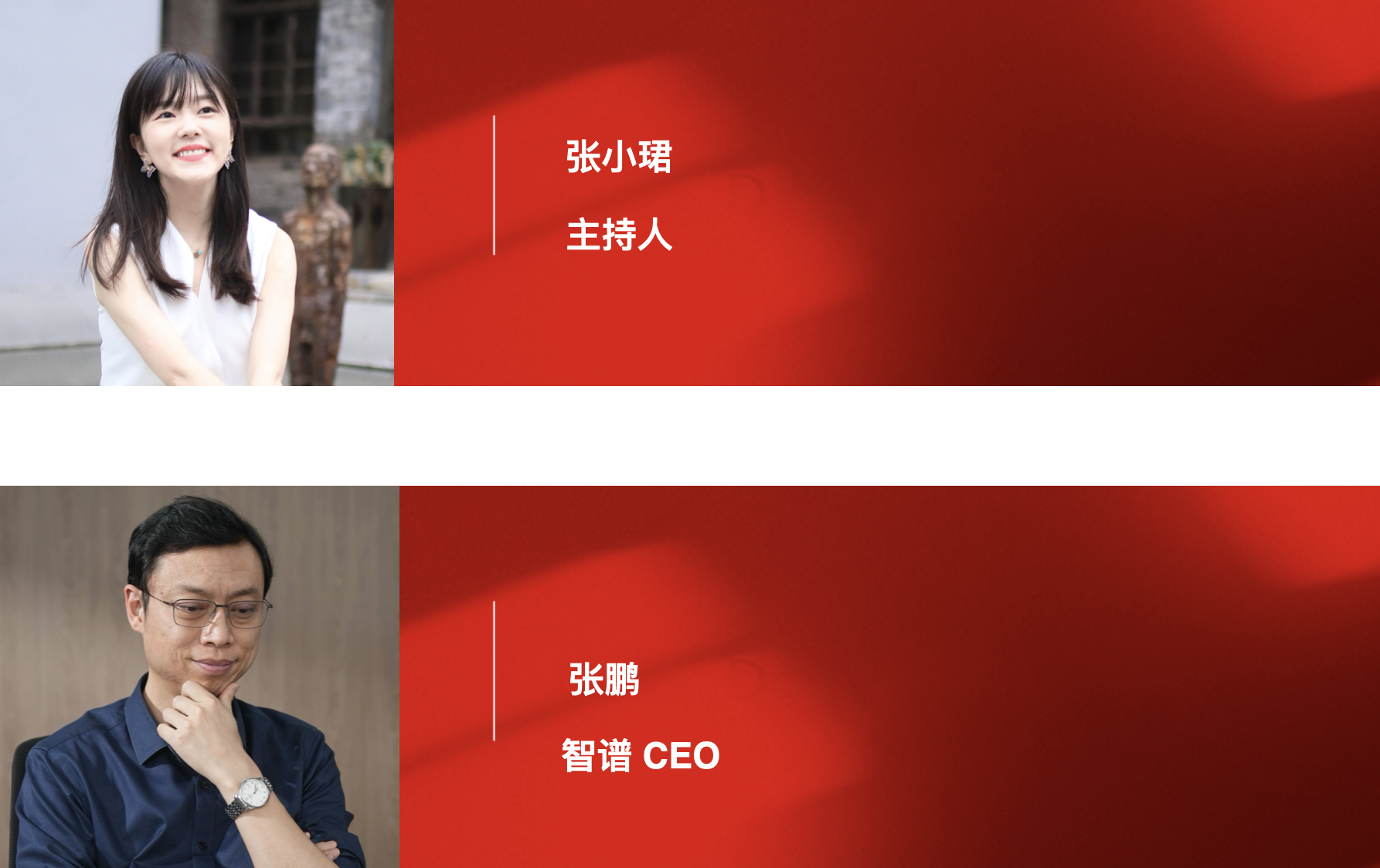
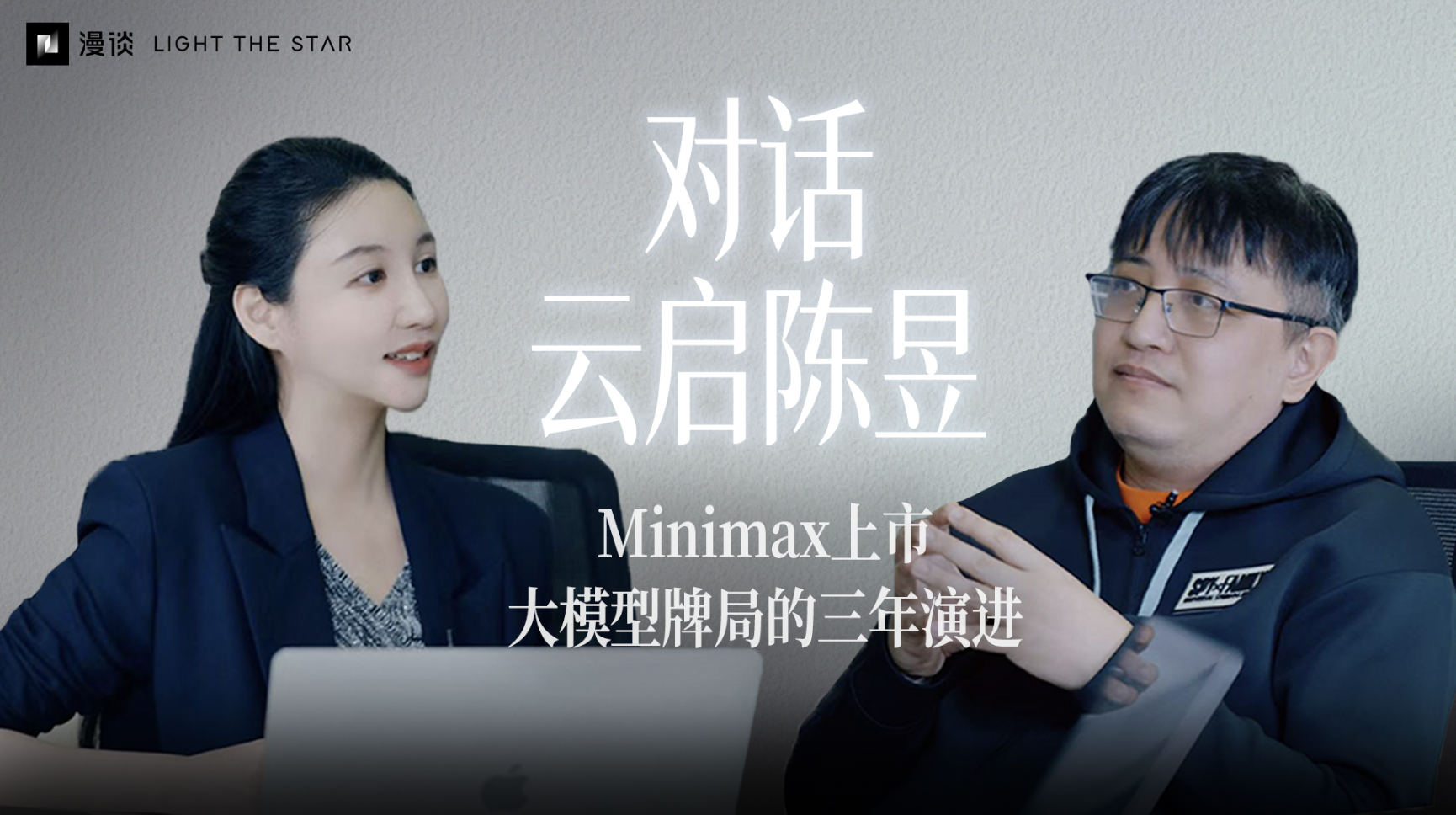
🏆 Zhipu and Minimax both went public, with two podcasts featuring conversations with Zhipu CEO Zhang Peng and Minimax angel investor Chen Yu. Zhang reflected on Zhipu's decade-long journey from "cognitive intelligence" to their firm B2B strategy; Chen revealed how Minimax broke through the capital-burning wars with MoE architecture and multimodal differentiation. Together, they paint a picture of Chinese LLMs' turbulent three years from technical inception to capital validation.
📊 Simon Willison published his signature annual LLM review , defining 2025 as the year of "reasoning" and "agents." The piece covers RLVR's reasoning breakthroughs, CLI coding agents transforming dev workflows, the rise of Chinese open-source models like DeepSeek, and the proliferation of $200 subscriptions. A Chinese roundup similarly lists the year's strongest models, apps, and hardware, from GPT-5.2 to Manus.
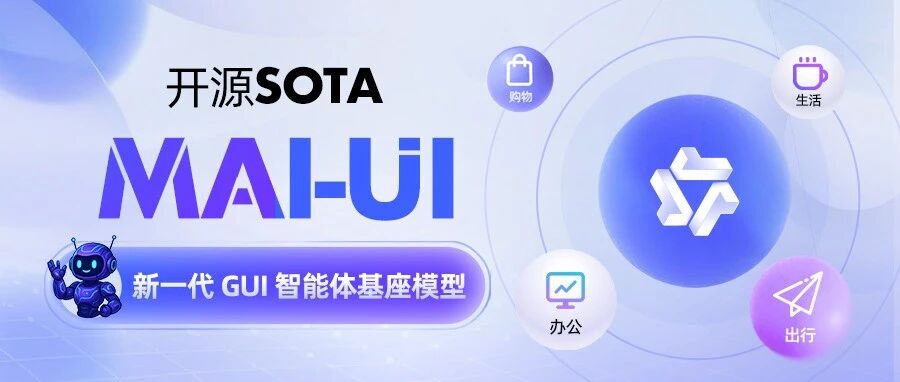
🤖 Alibaba's Tongyi Lab open-sourced MAI-UI series GUI agents (2B/8B), setting new SOTA on ScreenSpot-Pro benchmarks. The model pioneered combining active interaction, MCP tool calls, and edge-cloud coordination to solve instruction ambiguity in long mobile tasks, while also releasing the challenging MobileWorld benchmark.
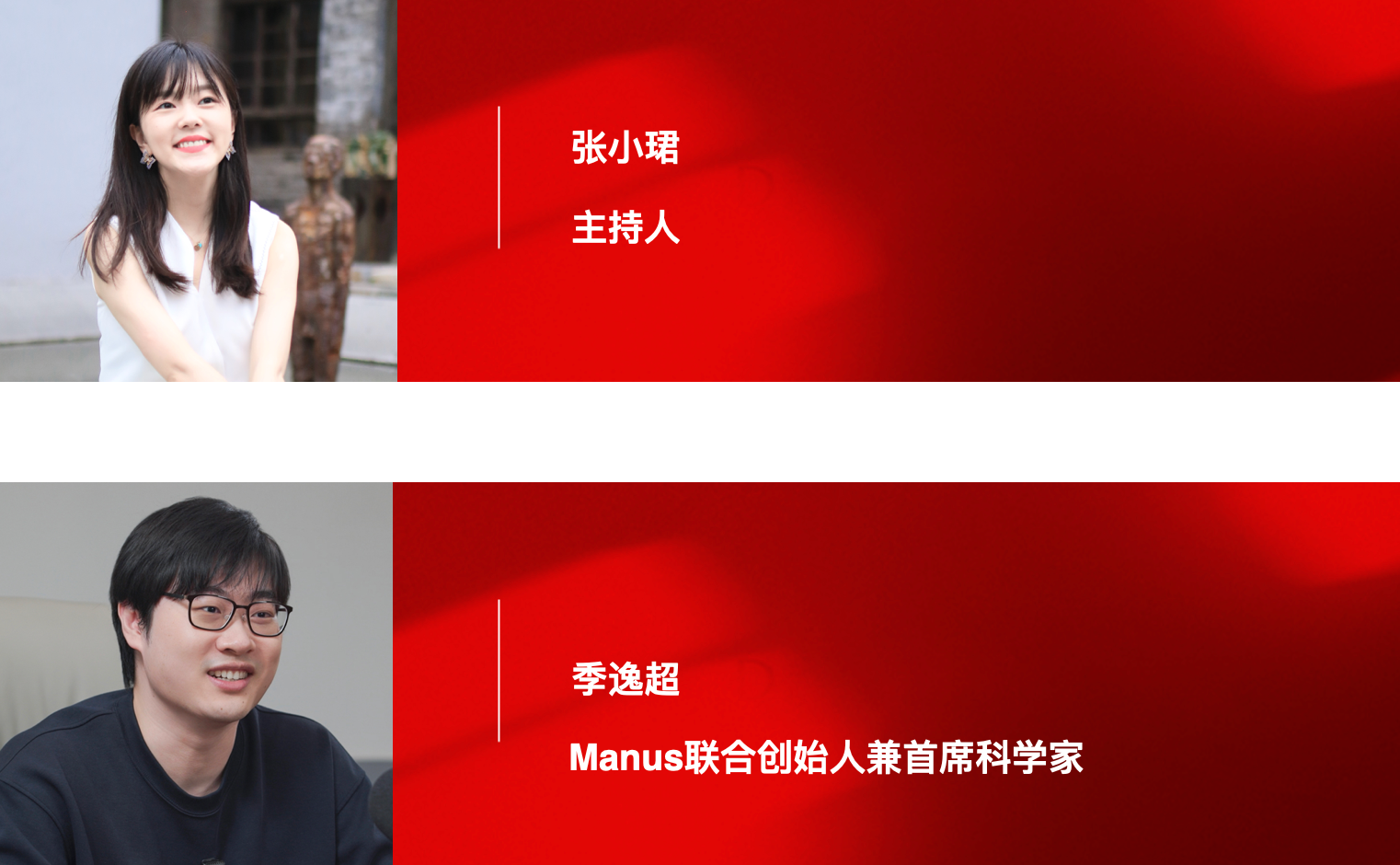
💡 Manus founders' final interview before the acquisition, Ji Yichao reflects on his journey from teenage geek to building a top general-purpose Agent. The core insight: Manus chose "simulating humans" over "building tools" in the vertical vs. general Agent debate, abandoning foundation model development to focus on Context Engineering.
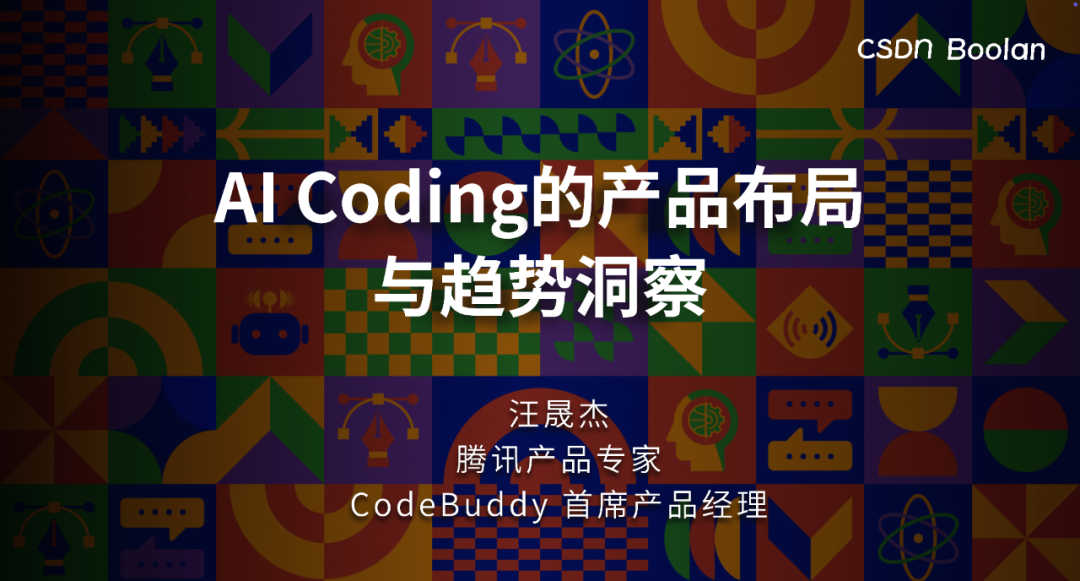
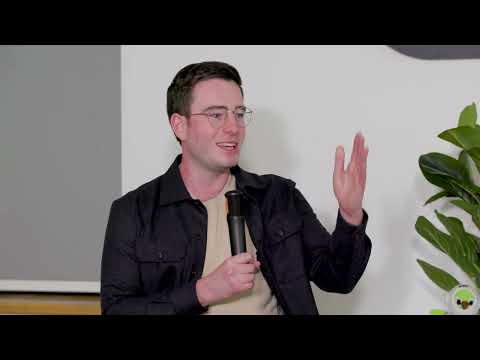
🛠️ Anthropic's Claude Agent SDK workshop proposed "Bash Is All You Need," advocating for Bash scripts and codegen composability over rigid tool definitions. Tencent's CodeBuddy lead introduced the GENIUS AI framework, critiquing vibe coding's limitations and pushing toward spec-driven programming. Both point to AI Coding's evolution from "completion" to "autonomy."
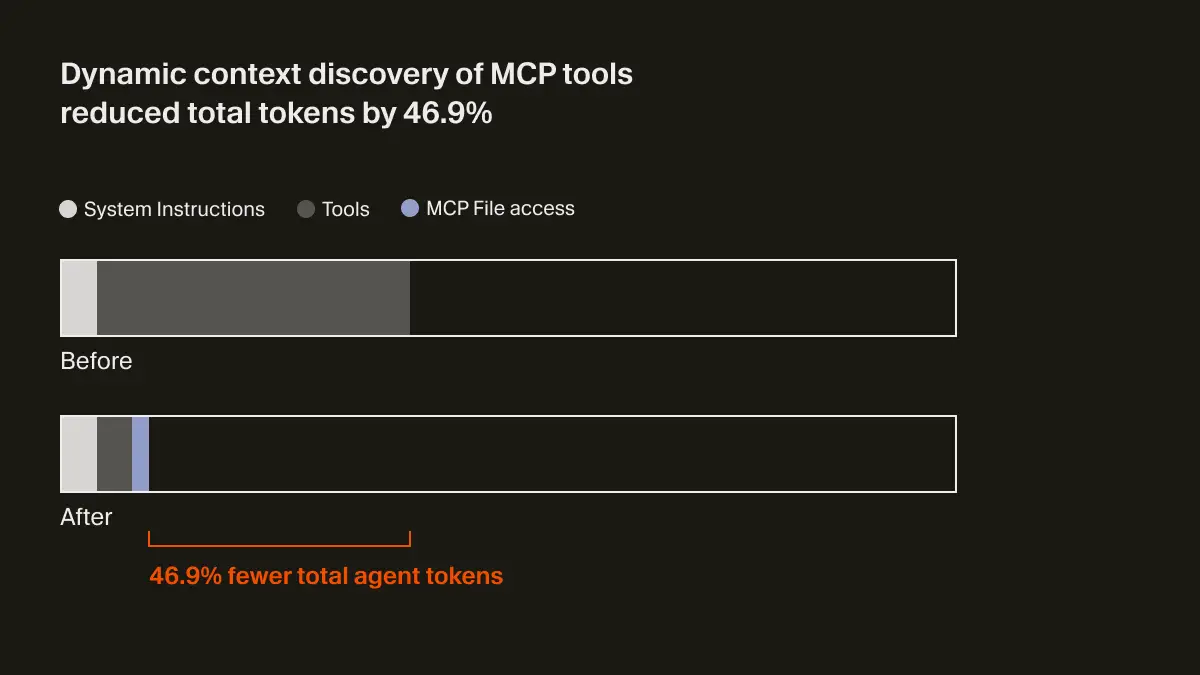
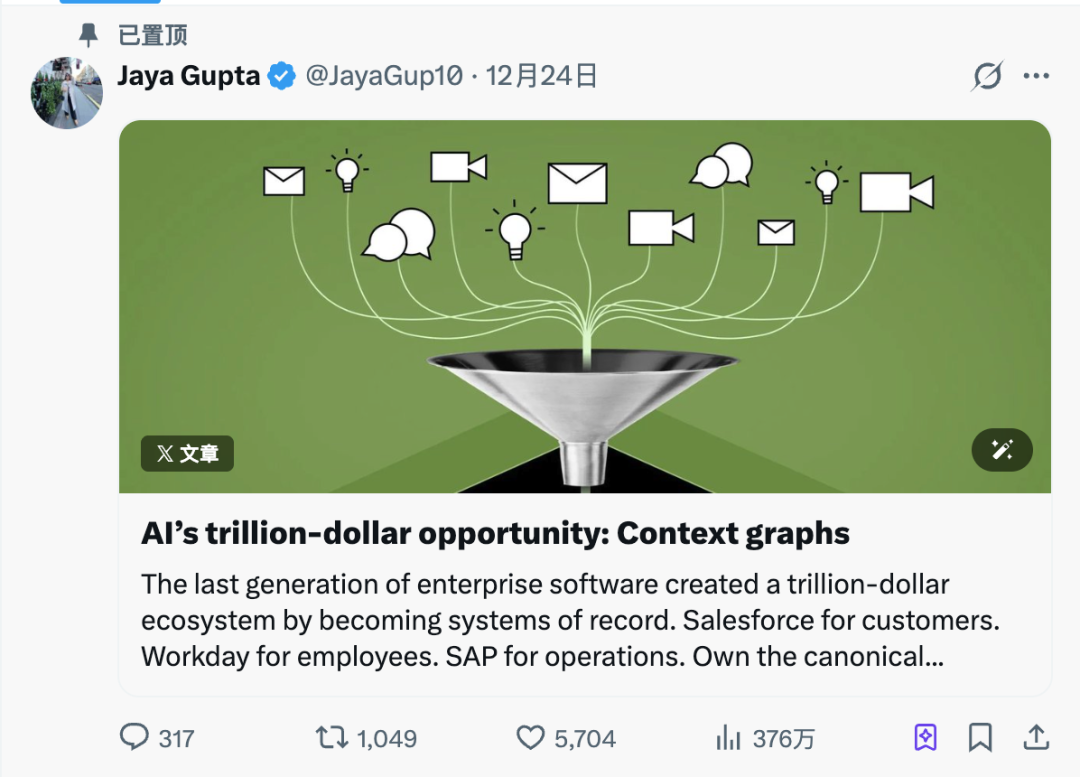
📁 Cursor introduced Dynamic Context Discovery , using the file system instead of static context injection, reducing token consumption by 46.9% in certain scenarios. Another piece explores Context Graphs , traditional systems record "what happened" but lose "why." Agents' true value lies in capturing cross-system decision trails to build organizations' dynamic world models.
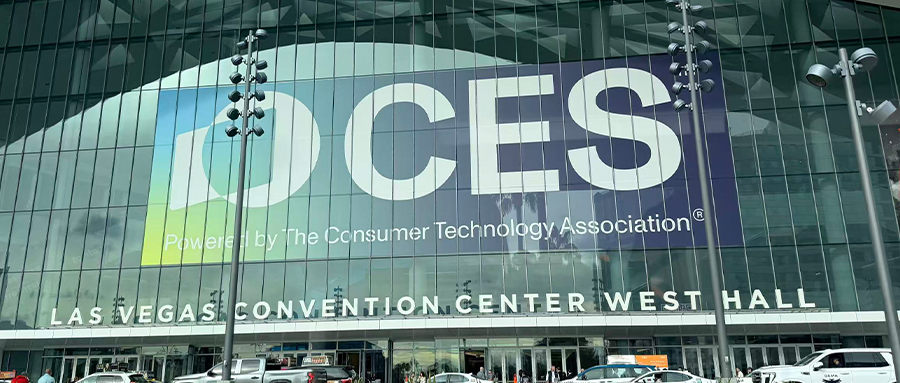
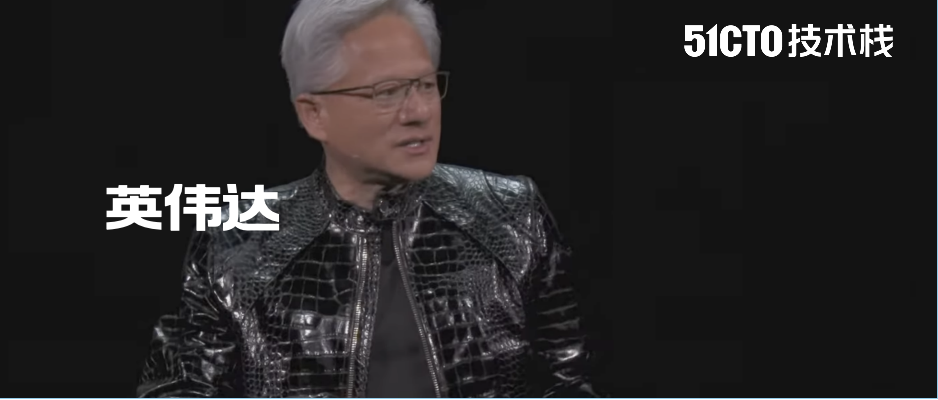
🌐 CES 2026 coverage showcases AI's evolution from cloud models to physical reality: flying AI pets, 38.5g ultra-light glasses, humanoid robot lineups. Chinese companies made up nearly 1/4 of exhibitors, with AI hardware shifting from parameter races to user experience. Jensen Huang unveiled the Rubin architecture and Cosmos world model, setting new ceilings for trillion-parameter models and Physical AI.
🧩 Alibaba's Taobao tech team used the "Dao-Fa-Shu" (道法术) framework to analyze AI engineering vs traditional engineering : at the "Dao" level, shifting from absolute correctness to managing probabilistic expectations; at "Fa," from domain modeling to context engineering; at "Shu," emphasizing trajectory visualization and multi-dimensional evaluation. A practical guide for engineers transitioning from traditional architectures.
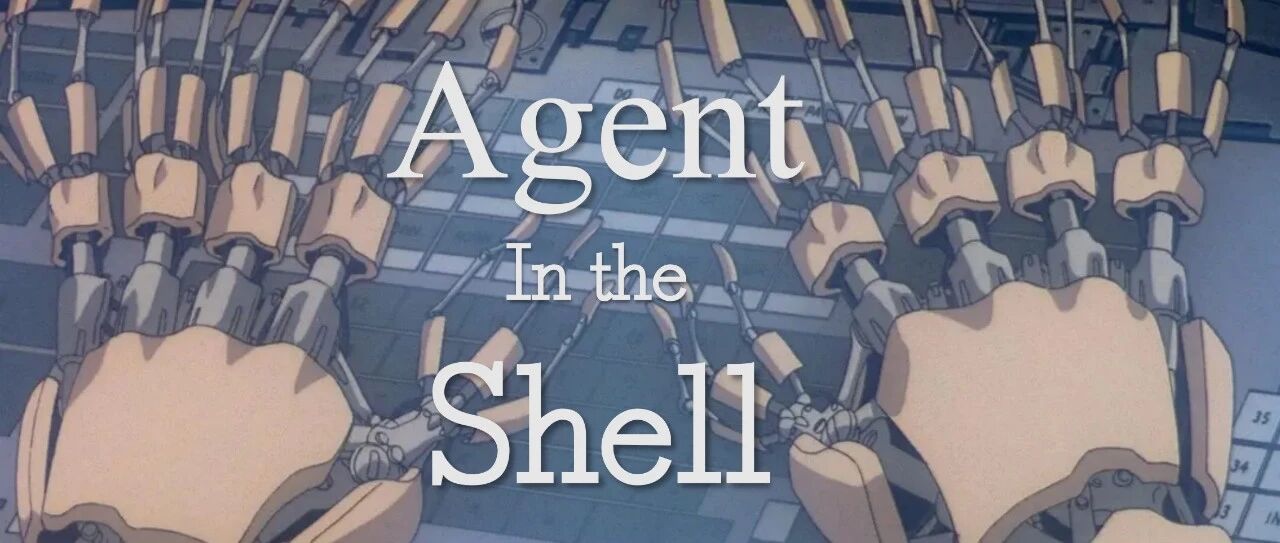
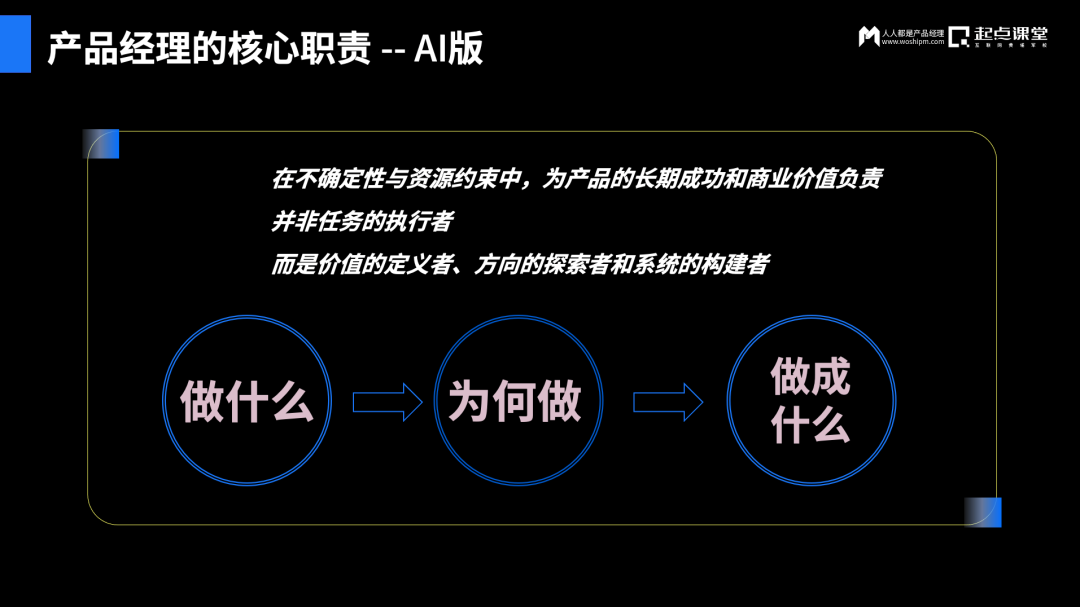
👨💼 Agent in the Shell borrows Ghost in the Shell's metaphor, Agents have powerful planning capabilities but are forced to disguise as humans operating GUIs designed for people. This systematic mismatch tears up old business contracts; the future requires recognizing Agents as legitimate actors. Another piece explores PM value reconstruction in the AI era: shifting from feature delivery to outcome delivery, building stable value frameworks amid uncertainty.
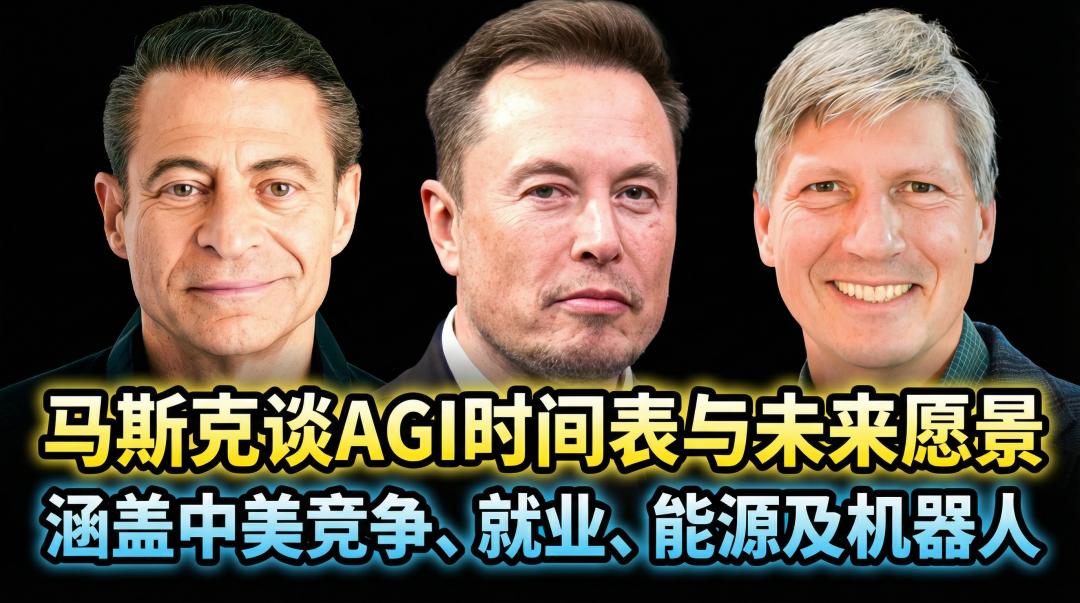
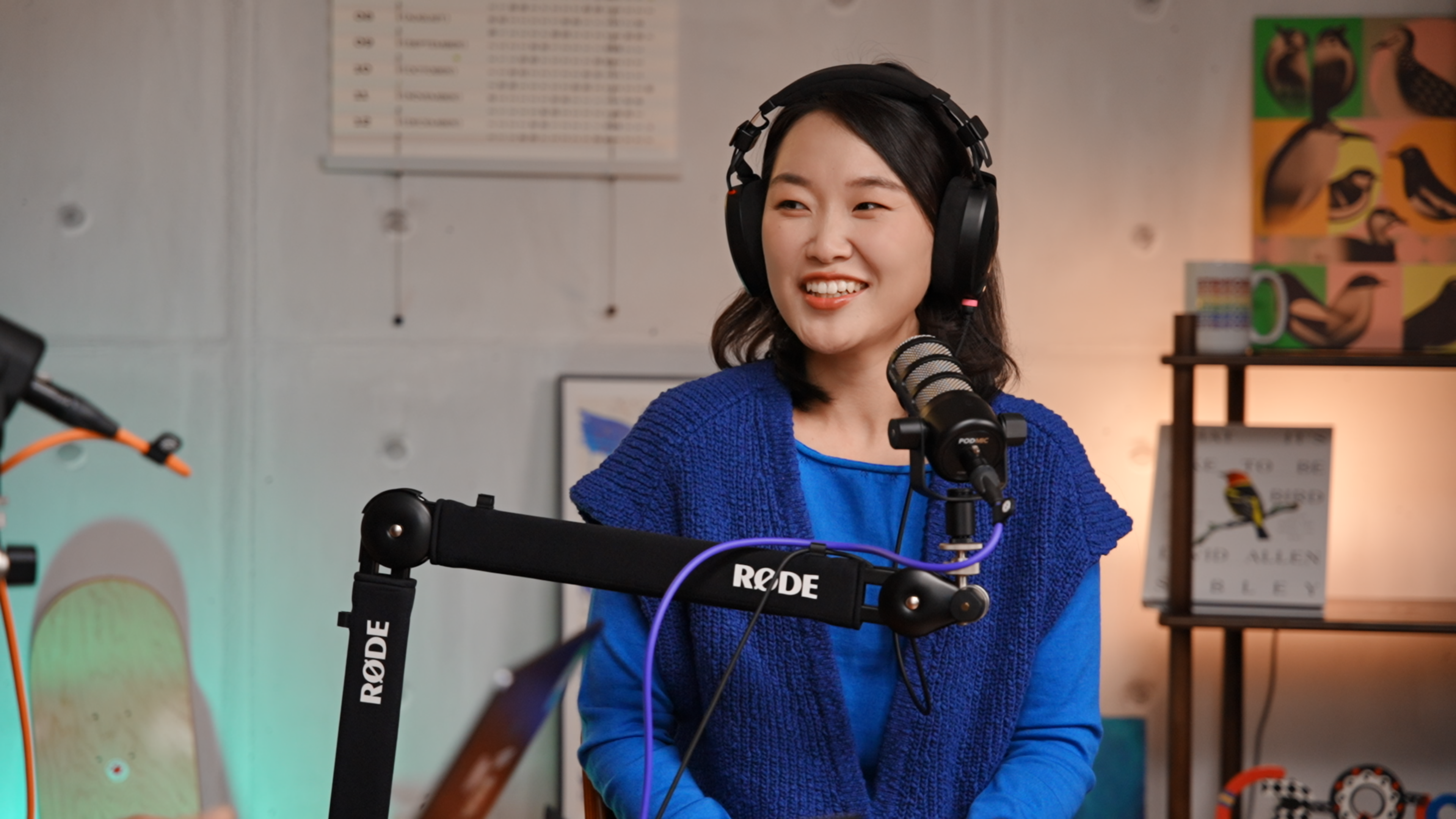
🎤 Musk's 40,000-word factory interview predicts AGI arriving in 2026, proposing "universal high income" as an economic vision. Luo Yonghao's conversation with Lovart founder Chen Mian explores AI-native product logic, true innovation isn't grafting AI onto old workflows, but discovering new audiences and needs. Another podcast features ZARA, an active practitioner in the AI space, focusing on how non-technical backgrounds can transform in the AI wave: AI lowers technical barriers but makes marketing, distribution, and brand the new scarce commodities.
2026 kicks off with LLM companies ringing IPO bells, compute architectures upgrading, and Agents moving from concept to reality. New year, new coordinates. Stay curious, and see you next week!

![Claude Agent SDK [Full Workshop] — Thariq Shihipar, Anthropic](https://image.jido.dev/20260106011457_hqdefault.jpg)