Featured Newsletter

BestBlogs Issue #82: Moltbot

Hey there! Welcome to BestBlogs.dev Issue #82.

This week, the tech world was captivated by Moltbot, an open-source personal AI agent created by PSPDFKit founder Peter Steinberger. It's not just a chatbot—it's a "digital employee" with system-level access that can manage files, handle emails, and even order food via voice commands. Peter's "closed loop principle" sparked intense discussion: in the AI era, developers should transform from code writers to system architects, treating PRs as Prompt Requests and achieving verification through automated testing. When he said "I ship code I haven't even read," you could feel the software development paradigm being fundamentally reshaped.

This week, BestBlogs.dev launched export and sync features—you can now export articles to web pages, Markdown, PDF, or Obsidian format, and sync directly to Notion and Flomo for seamless reading and knowledge management. I've also been experimenting with migrating my deep reading and multi-platform output skills to Moltbot, hoping to further boost my reading and content creation efficiency.

Here are 10 highlights worth your attention this week:

🤖 Moltbot is undoubtedly the hottest open-source project this week. From GitHub's Open Source Friday interview to Wes Roth's deep dive and Greg Isenberg's practical session with Alex Finn, this project demonstrates AI agents evolving from toys to productivity tools. Peter shared his epiphany moment during a trip to Marrakech and the core philosophy behind his closed-loop approach: let automated tests handle verification instead of manual code review. Cloudflare quickly followed up with Moltworker, migrating it to the edge cloud—no more Mac mini required.

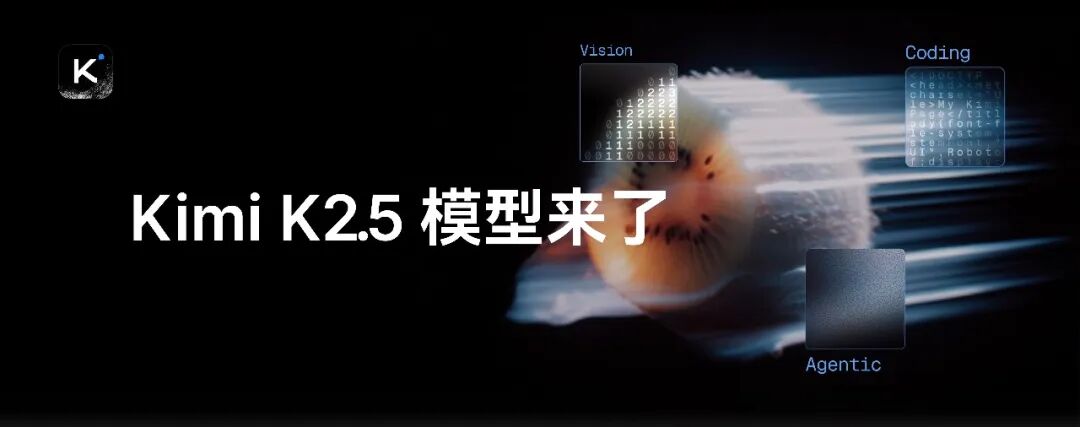
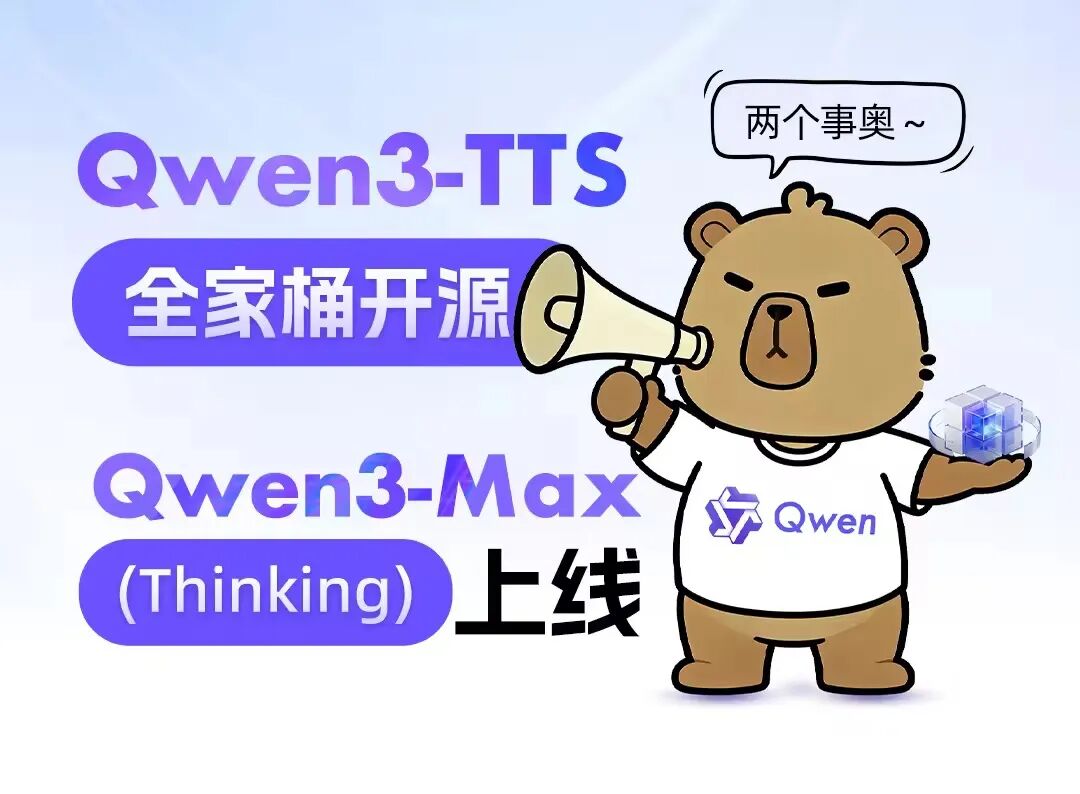
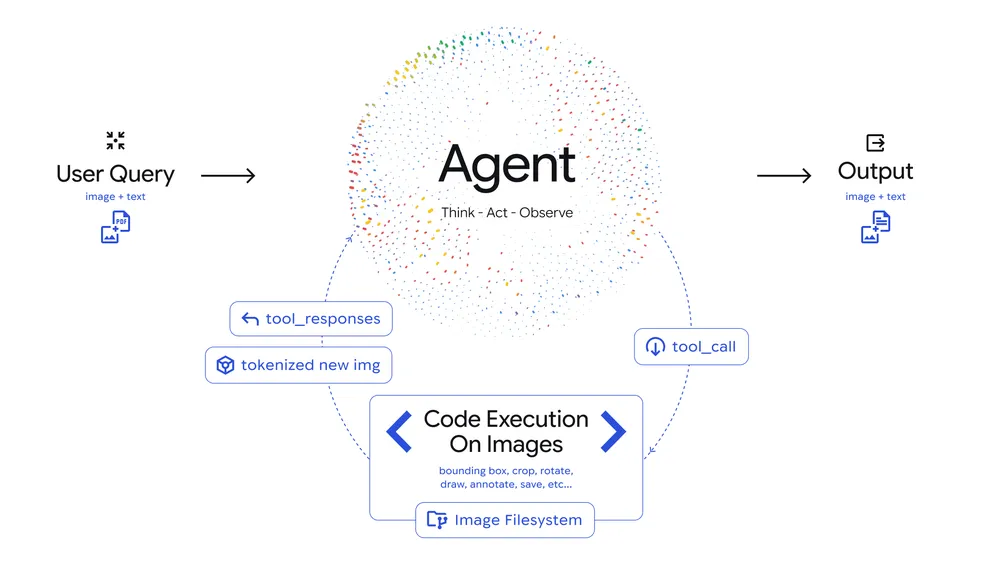
🏆 Three major model providers simultaneously strengthened their agent capabilities this week. Kimi released K2.5 with native multimodal and agent clustering—capable of orchestrating hundreds of instances for complex task collaboration. Alibaba's Qwen fired a double shot: Qwen3-TTS sets a new bar for open-source speech synthesis with 3-second voice cloning and 10-language support, while Qwen3-Max-Thinking joins the global top tier in reasoning performance. Google's Gemini 3 Flash introduced Agentic Vision, evolving from describing images to interactive analysis through think-act-observe loops, boosting visual task accuracy by 5-10%.

🧠 The real moat for agents is shifting from tools to memory assets. Alibaba Cloud's technical overview clearly distinguishes short-term from long-term memory and explores core engineering strategies like context reduction, offloading, and isolation. Another article proposes MemOS—building a layered memory operating system that enables cross-model memory reuse and sovereignty control. This marks AI's evolution from instant inference to long-term consistent, asset-based intelligence.

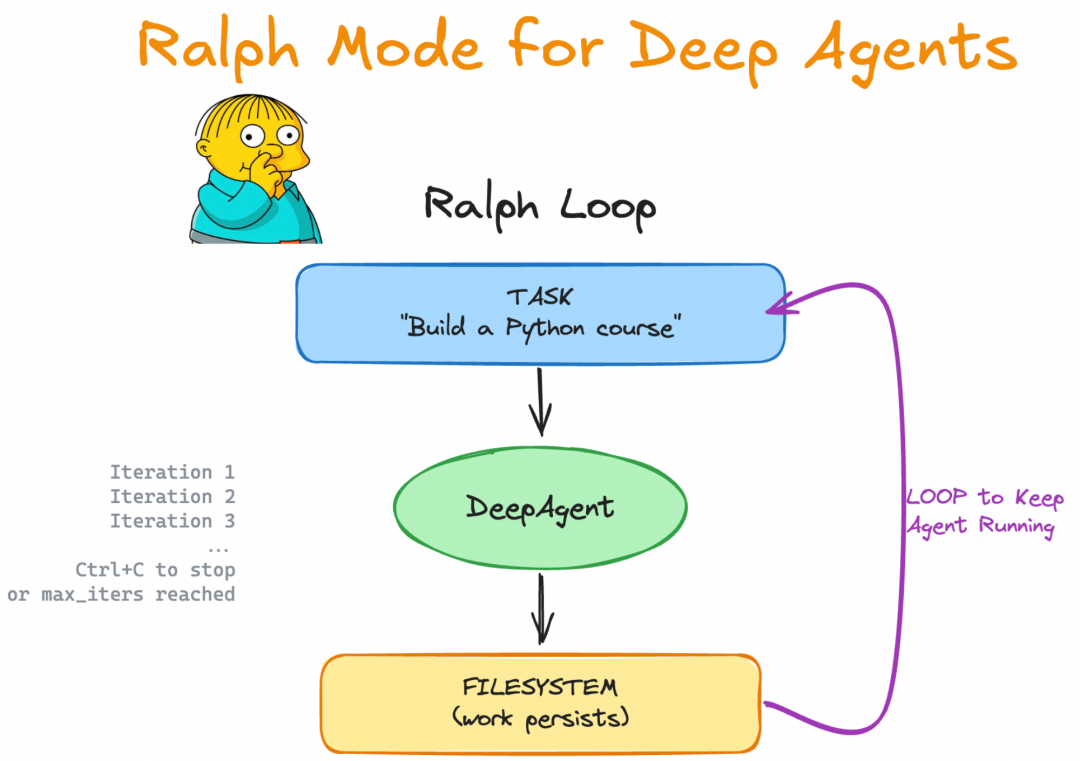
🔄 Ralph Loop is an autonomous programming paradigm that overcomes LLM self-evaluation limitations through engineered persistence. Using external loops and Stop Hook mechanisms, it forces AI to continuously self-correct by combining Git history with automated testing, moving state management from unstable model memory to the file system. This effectively solves context rot and premature exit issues—essential reading for building reliable AI agent pipelines.

🏗️ Taobao Tech published an industrial-grade AI agent engineering framework, diving deep into agent core elements: planning, memory, tools, and execution. Through a real-world demand loss analysis case study, it demonstrates how to transform complex expert experience into controllable agent systems, sharing frontline insights like "stability over intelligence."

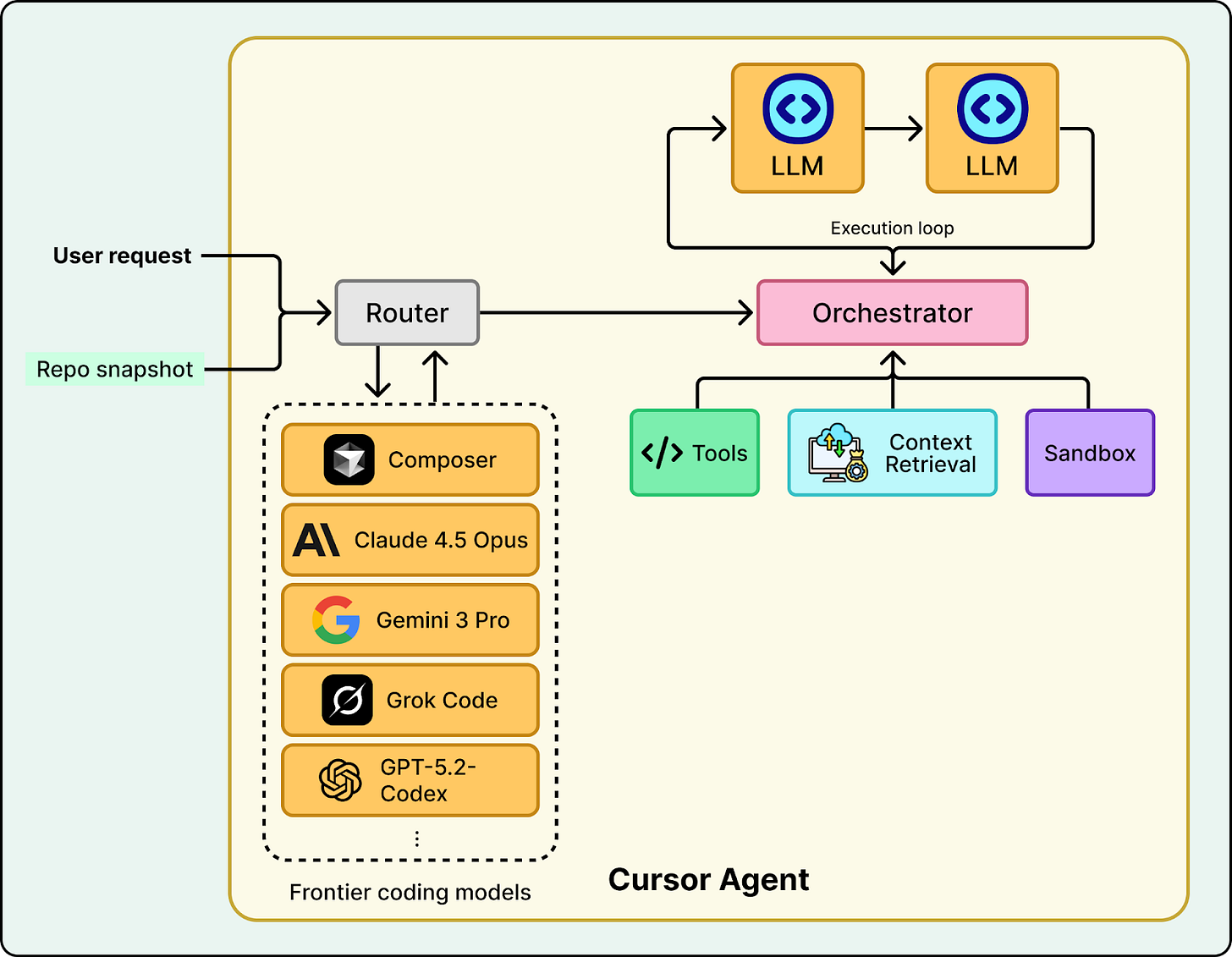
⚡ ByteByteGo detailed Cursor 2.0's coding agent core principles: trajectory training for improved diff editing accuracy, MoE and speculative sampling for reduced iteration latency, and high-performance isolated sandboxes for code execution safety. Key insight: great coding agents aren't just better models—they're deeply integrated systems engineering.

💻 Anthropic's Claude Co-work and Claude Code are bringing AI agents from developer terminals to everyday desktops. Through Computer Use capabilities, Claude can directly manipulate files, process Excel spreadsheets, and automate web tasks—opening the agent door for non-technical users.

📊 AI coding has entered the agent era—80% of code is now model-generated. But behind the efficiency surge lurks a verification bottleneck: as individual output doubles, PR review time also doubles. The core transformation: developers need to shift from imperative coding to declarative orchestration, using TDD and automated verification to combat understanding debt.

🎬 ChatCut proposes video editing's "Cursor moment"—editing is fundamentally about restructuring thoughts at the text level, not pixel generation. By decomposing senior editors' aesthetic intuition into agent workflows, ChatCut aims to raise the creative floor for people who want to express but can't edit.

💡 Legendary investor Marc Andreessen offered a thought-provoking perspective: AI is the philosopher's stone of our time, miraculously appearing as population growth declines, key to preventing global economic stagnation. He elaborated on how AI is breaking down boundaries between engineers, product managers, and designers, creating multi-skilled super individuals. The one-person billion-dollar company is no longer fantasy—it's happening now.

Hope this issue sparks some new ideas. Stay curious, and see you next week!

月之暗面 Kimi
mp.weixin.qq.com
01-27
2196 words · 9 min
94
Kimi Releases and Open-Sources K2.5 Model, Bringing New Visual Understanding, Code, and Agent Cluster Capabilities

Moonshot AI’s Kimi K2.5 debuts with native multimodal support and groundbreaking Agent Clusters. It can orchestrate 100 agents for parallel task execution, drastically reducing completion time. With the new Kimi Code tool integrating into major IDEs, K2.5 pushes the boundaries of open-source SOTA performance and practical AI agent workflows.

通义大模型
mp.weixin.qq.com
01-26
1791 words · 8 min
93
Two Major Updates

Qwen releases a powerful duo: Qwen3-TTS goes open-source, offering 3s voice cloning and sub-100ms latency across 10 languages. Simultaneously, Qwen3-Max-Thinking debuts with adaptive tool-calling and iterative reasoning (Test-Time Scaling), pushing its performance to SOTA levels across complex reasoning benchmarks. A must-watch for both open-source enthusiasts and power users.

The Keyword (blog.google)
blog.google
01-27
770 words · 4 min
92
Introducing Agentic Vision in Gemini 3 Flash

Google introduces Agentic Vision for Gemini 3 Flash, evolving image AI from static observation to active investigation. By integrating Python code execution, the model can now zoom, annotate, and calculate visual data autonomously, boosting accuracy by 5-10%. This "Think-Act-Observe" loop marks a significant shift toward more reliable and grounded multimodal AI agents.

GitHub
youtube.com
01-24
6802 words · 28 min
92
Open Source Friday with Clawdbot 🦀

This article features an in-depth conversation between Clawdbot creator Peter and GitHub's Andrea Griffith, detailing how a personal project evolved into a trending open-source AI Agent. Peter shares his "epiphany moment" during a trip to Marrakesh where he witnessed the Agent's unexpected ingenuity. He elaborates on Clawdbot’s core philosophy: treating the AI as a "virtual colleague" with system access, capable of autonomous tool calling and multi-modal processing. The discussion covers the technical architecture (TypeScript), evaluations of various LLMs (Claude Opus vs. Minimax), and Peter's commitment to data privacy and local deployment. It’s an essential read for developers and product managers interested in the practical application of AI Agents and open-source governance.

Wes Roth
youtube.com
01-27
3600 words · 15 min
93
ClawdBot is out of control

This article explores ClawdBot, a trending open-source personal AI agent developed by Peter Steinberger. Far beyond a simple chatbot, ClawdBot acts as a "digital employee" with system-level access, capable of managing emails, local files, and even making real-world reservations via voice. The piece breaks down its CLI-first technical architecture, its strategic divergence from the MCP protocol, and the visionary concept of a "one-person billion-dollar company."

Greg Isenberg
youtube.com
01-27
10333 words · 42 min
92
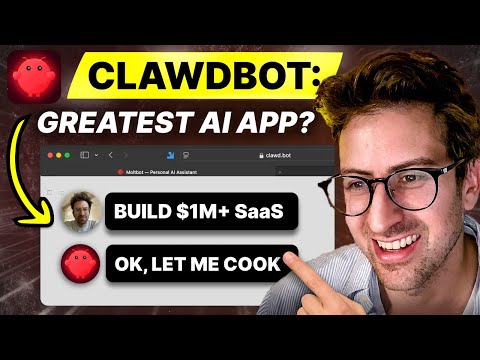
Clawdbot/moltbot Clearly Explained (and how to use it)

This episode provides a comprehensive deep dive into Moltbot (formerly Claudebot), an open-source AI agent framework. Featuring expert Alex Finn, it explores the paradigm shift from reactive chatbots to proactive "digital employees" that work 24/7. The discussion covers real-world use cases—ranging from autonomous coding and competitive research to personalized morning reports—alongside practical advice on hardware setups (Mac Mini vs. Mac Studio) and essential security protocols.

The Pragmatic Engineer
youtube.com
01-28
6797 words · 28 min
92
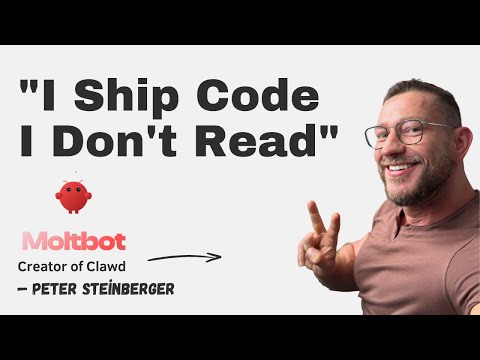
The creator of Clawd: "I ship code I don't read"

n this episode, Peter Steinberger, founder of PSPDFKit, explores how AI agents are fundamentally reshaping the software development paradigm. Peter reveals the secret behind his staggering efficiency—merging hundreds of commits daily—centered on the "Closed-Loop Principle." He argues that in the AI era, developers must evolve from line-by-line coders into system architects, treating Pull Requests as "Prompt Requests." By leveraging automated testing for closed-loop validation instead of manual code review, he demonstrates a high-velocity workflow.

The Cloudflare Blog
blog.cloudflare.com
01-29
2150 words · 9 min
93
Introducing Moltworker: a self-hosted personal AI agent, minus the minis

Moltworker demonstrates how to host the open-source Moltbot agent using Cloudflare’s full stack. It replaces local hardware with a scalable cloud environment using Sandbox SDK for isolation, AI Gateway for provider management, and Browser Rendering for web automation. This implementation serves as a blueprint for building Serverless AI Agents, highlighting the maturity of Cloudflare’s developer platform in handling complex, untrusted code execution.

大淘宝技术
mp.weixin.qq.com
01-26
23845 words · 96 min
94
How to Design an AI Agent System

This article provides a systematic engineering framework for designing and deploying industrial-grade AI Agents. It explores the evolution of software paradigms and deconstructs Agent core components: Planning, Memory, Tool Use, and Action. By comparing design paradigms like fixed workflows and dynamic planning, the author illustrates practical implementation through a fintech risk analysis case study. Beyond technical theory, it offers profound insights such as prioritizing stability over intelligence, making it an essential guide for developers and architects navigating the transition from LLMs to autonomous Agent systems.

阿里云开发者
mp.weixin.qq.com
01-30
5919 words · 24 min
92
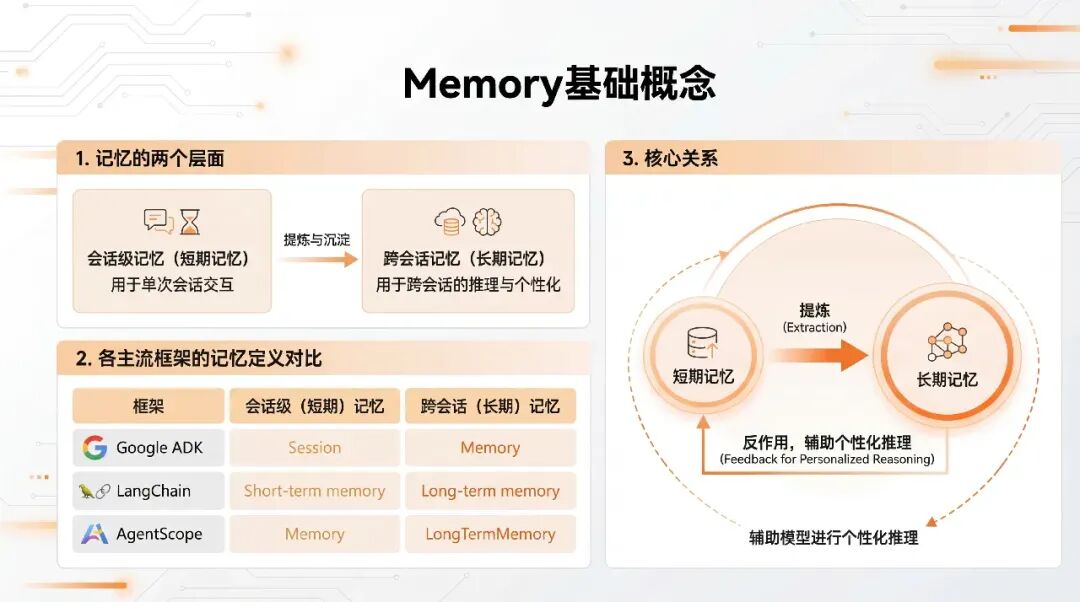
AI Agent Memory Systems: Technical Architecture and Practices from Short-term to Long-term

This comprehensive technical review delves into the architecture of AI Agent memory systems. It provides a clear distinction between short-term (session-level) and long-term (cross-session) memory, while detailing core context engineering strategies such as reduction, offloading, and isolation. By comparing implementations across major frameworks like Google ADK, LangChain, and AgentScope, the article offers a practical roadmap for developers building agents with persistent preferences and complex task-handling capabilities. It is an essential guide for anyone looking to optimize Token costs or create personalized AI applications.

阿里云开发者
mp.weixin.qq.com
01-27
9658 words · 39 min
93
From ReAct to Ralph Loop: The Continuous Iteration Paradigm for AI Agents

Ralph Loop is an autonomous programming paradigm designed to overcome LLM self-assessment limitations through "engineered persistence." By using external loops and Stop Hooks, it forces AI to iterate based on objective test feedback and Git history. This approach shifts state management from volatile model memory to the filesystem, effectively solving "context rot" and early exit issues. It provides a robust framework for building highly reliable AI Agent pipelines.

Greg Isenberg
youtube.com
01-23
5313 words · 22 min
92
I got a private lesson on Claude Cowork & Claude Code

This feature offers an in-depth look at Anthropic's latest breakthroughs: Claude Co-work and Claude Code. Through an interview with founder Boris, it explores how Agentic AI is transitioning from developer terminals to consumer-friendly desktop UIs. The core discussion centers on "Computer Use" capabilities, demonstrating how Claude interacts with local files, manages spreadsheets, and automates browser tasks.

ByteByteGo Newsletter
blog.bytebytego.com
01-26
2508 words · 11 min
93
How Cursor Shipped its Coding Agent to Production

This article explores the engineering behind Cursor’s Composer, focusing on three pillars of production-ready coding agents: reliable editing via "diff trajectory" training, latency reduction through MoE and Speculative Decoding, and scalable, secure Sandboxing. It shifts the perspective from viewing AI as a standalone model to a complex system where speed and tool-integration are core product features.

LangChain Blog
blog.langchain.com
01-28
1174 words · 5 min
92
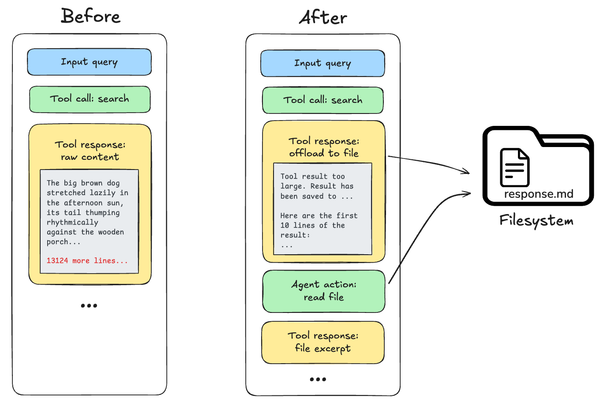
Context Management for DeepAgents

This article explores the Deep Agents SDK by LangChain, a specialized harness designed to tackle "context rot" and memory constraints in long-running AI agents. It details three primary compression strategies: offloading large tool results, truncating redundant tool inputs, and implementing structured summarization. By leveraging a filesystem abstraction, the SDK ensures that critical mission data remains retrievable even after context purging. For developers building autonomous agents, the authors provide actionable guidance on preventing "goal drift" and using targeted evaluations to stress-test context management, ensuring agents remain focused on their primary objectives during extended sessions.

Elevate
addyo.substack.com
01-28
3442 words · 14 min
93
The 80% Problem in Agentic Coding

AI coding has entered the agent era, with 80% of code model-generated. The article reveals the "verification bottleneck" behind the efficiency surge: while individual output doubles, PR review time spikes accordingly. The key transition: developers must shift from imperative coding to declarative orchestration, using TDD and automated verification to combat "Comprehension Debt."

硅谷101
mp.weixin.qq.com
01-26
12577 words · 51 min
92
CES 2026 Challenges: Exploring the Bubbles and Non-Consensus Behind 50 AI Projects

CES 2026 Core Summary: AI has fully integrated into the hardware ecosystem, from Boston Dynamics' industrial bots to niche companion pets. While product utility has surged, disruptive AI-native hardware remains elusive. This piece highlights humanoid robots, the autonomous driving ecosystem, and AI-enhanced lifestyle tech, pinpointing current technical limits and the struggle for PMF.

Founder Park
mp.weixin.qq.com
01-27
6194 words · 25 min
93
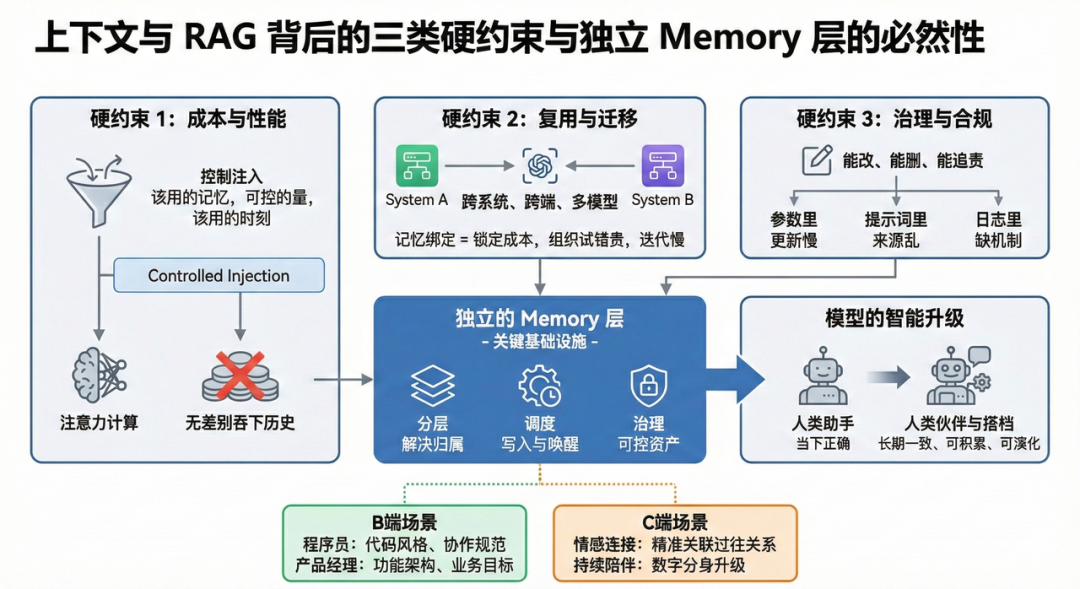
The True Moat for Agents is Shifting from Tools to Memory Assets

The article examines the shift of AI memory systems from "model-dependent" to "independent architecture." Traditional RAG and long contexts struggle with cost and governance in long-term Agent evolution. By building a layered Memory OS (like MemOS), developers can achieve cross-model reuse and data sovereignty. This marks AI's transition from instant inference to long-term, "asset-based" consistent intelligence.

Lenny's Podcast
youtube.com
01-25
7256 words · 30 min
92
5 questions to ask when your product stops growing | Jason Cohen (2x unicorn founder)

Growth stagnation stems from five core issues: 1. Logo Churn creating a mathematical ceiling; 2. Low Pricing leading to poor market positioning; 3. Low NRR limiting expansion value; 4. Channel Saturation on the S-curve; and 5. A lack of clarity on Growth Philosophy. This summary offers a roadmap from diagnosis to strategic restructuring, focusing on "hidden multipliers" to reverse the slowdown.

十字路口Crossing
xiaoyuzhoufm.com
01-25
3680 words · 15 min
92
Has the "Cursor Moment" for Video Editing Arrived? | A Conversation with ChatCut Founder Kevin Li: From Golden Horse Director to AI Entrepreneur

Editing is essentially a cognitive reconstruction of text. ChatCut founder Kevin Li introduces a unique path: focusing on LLM-driven video arrangement rather than pixel generation. By deconstructing professional editing intuition into Agent workflows, ChatCut aims to raise the floor for average creators, transforming complex post-production into intuitive natural language interactions.

Lenny's Podcast
youtube.com
01-29
8846 words · 36 min
93
Marc Andreessen: This is the most important era in tech history (here’s why)

In this profound dialogue, tech luminary Marc Andreessen frames AI as the modern "Philosopher’s Stone," capable of turning silicon into intelligence. He argues that AI's arrival is a timely intervention against global demographic decline and economic stagnation. The conversation highlights the "Mexican Standoff" between engineers, PMs, and designers, where AI allows "super-empowered individuals" to transcend traditional role boundaries. Whether discussing the Bloom Two-Sigma Effect in education or the feasibility of one-person billion-dollar companies, Andreessen provides a visionary yet tactical roadmap for navigating the AI-driven future.

131. Yin Qi's First Interview as Chairman of StepStar: The Temptation of Smart People, the Brutal Elimination Race, Bets, and Hyper-Multivariate Equations

Yin Qi reflects on 15 years in AI, unveiling StepFun’s core strategy: abandoning pure software paths for an "AI + Terminal" closed loop. He identifies physical-world data as the key to AGI, aiming to evolve VLA models through vehicles and wearables. In a brutal $3B+/year elimination race, his focus remains on talent density and strategic differentiation to survive the foundation model era.

开始连接LinkStart
xiaoyuzhoufm.com
01-29
1119 words · 5 min
92
Vol.98 | Li Di, Father of Xiaoice, Discusses New AI Project: The Ultimate Business Model of AI is Not Just Selling Tokens

Li Di introduces Nextie, advocating for a pivot from reasoning to "Cognitive Intelligence." Key takeaways: Single super-intelligence is inherently limited; true wisdom requires governed collisions of diverse agents. He warns that excessive context leads to "collective stupidity" and argues that AI business models must move beyond selling tokens toward capturing value in decision-making and production relations.

腾讯科技
mp.weixin.qq.com
01-26
7352 words · 30 min
92
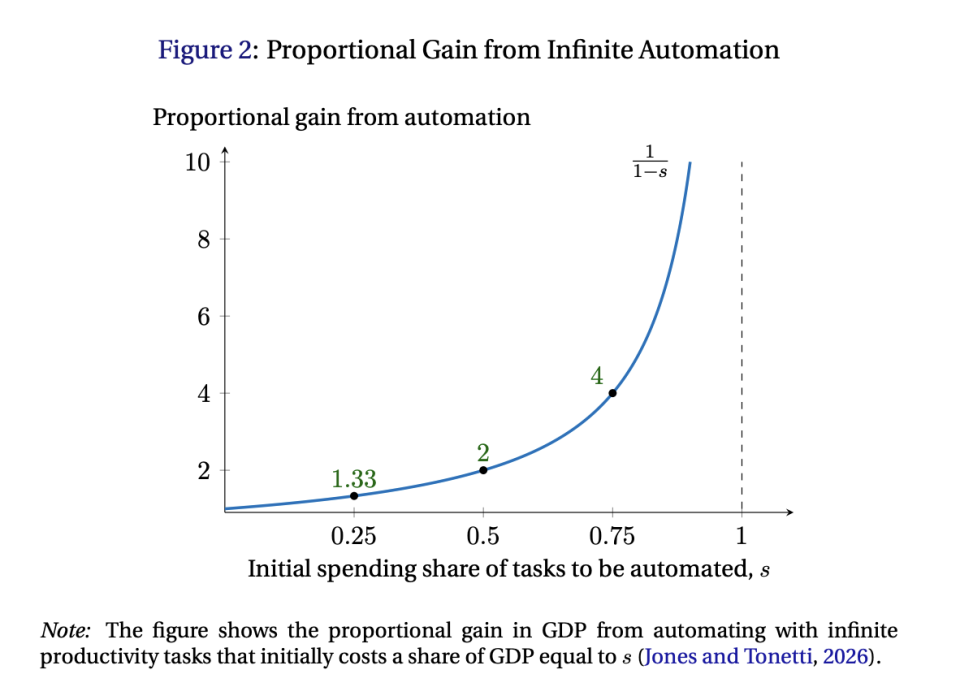
AI Will Bring an Economic Explosion, but the Fuse is Long | Hao Paper Talk

Is AI a minor efficiency tool or a total economic disruptor? Charles Jones’s latest framework suggests that AI’s potential is capped by "weak links"—physical labor, energy, and regulation. Even if AI automates all cognitive tasks, the Leontief-style complementarity of the economy ensures a "slow explosion" rather than an overnight singularity. As AI commoditizes intelligence, human value will migrate to non-standard physical work, institutional trust, and the fundamental definition of purpose.

    BestBlogs Issue #82: Moltbot | BestBlogs.dev